Smart Furniture for Small Homes: A Complete Guide
Living in a compact home does not mean compromising on comfort or functionality. With thoughtful planning and the right furniture choices, even the smallest spaces can feel organized, stylish, and practical. Smart furniture is designed to maximize space while maintaining usability, making it an ideal solution for modern urban living.
This guide explores the concept of smart furniture, its benefits, types, and practical ideas to transform small homes into efficient living spaces.
What is Smart Furniture?
Smart furniture refers to space-saving, multifunctional, and adaptable furniture designed to serve multiple purposes. It often combines design innovation with practical features such as foldability, storage integration, or transformability.
These furniture pieces are particularly useful in apartments, studio homes, and compact living areas where every square foot matters.
Why Smart Furniture is Important for Small Homes
Small homes require careful space management. Traditional furniture often takes up more room than necessary and serves only one function.
Smart furniture solves this challenge by offering flexibility and efficiency.
Key advantages include:
- Maximizes available space without overcrowding
- Reduces clutter through built-in storage
- Enhances comfort and usability
- Supports modern, minimalist lifestyles
- Improves organization and accessibility
Types of Smart Furniture for Compact Spaces
Foldable Furniture
Foldable furniture is one of the simplest and most effective solutions for small homes. It can be easily stored away when not in use, freeing up valuable floor space.
Examples include foldable tables, chairs, and beds that can be tucked away after use.
Convertible Furniture
Convertible furniture transforms from one function to another. This type is ideal for multipurpose rooms.
Common examples include sofa beds, extendable dining tables, and desks that convert into shelves.
Modular Furniture
Modular furniture consists of units that can be rearranged or customized based on needs. It allows flexibility in layout and usage.
It works well in spaces where requirements change frequently, such as living rooms or home offices.
Storage-Integrated Furniture
Furniture with built-in storage helps reduce clutter and improve organization.
Examples include beds with drawers, ottomans with hidden compartments, and coffee tables with shelves.
Smart Furniture Ideas for Different Rooms
Living Room
The living room is often the most used space in a home. Smart furniture can help maintain openness while ensuring comfort.
Consider:
- Sofa beds for accommodating guests
- Nesting tables that can be stacked
- Wall-mounted shelves to save floor space
- Storage ottomans for hidden organization
Bedroom
Bedrooms in small homes can feel cramped without proper planning. Smart furniture helps create a relaxing and functional environment.
Useful ideas include:
- Beds with under-storage compartments
- Foldable desks for workspace needs
- Wall-mounted nightstands
- Murphy beds that fold into walls
Kitchen and Dining Area
Compact kitchens and dining areas benefit greatly from space-saving furniture.
Examples include:
- Foldable dining tables
- Stackable chairs
- Wall-mounted drop-leaf tables
- Storage benches for seating
Home Office
With remote work becoming common, small homes often need a workspace.
Smart furniture solutions include:
- Foldable desks
- Wall-mounted workstations
- Compact chairs with storage
- Multi-use tables
Comparison of Smart Furniture Types
| Furniture Type | Key Feature | Best Use Case | Space Efficiency |
|---|---|---|---|
| Foldable Furniture | Can be folded and stored | Temporary use areas | High |
| Convertible Furniture | Multi-purpose design | Living rooms, studios | Very High |
| Modular Furniture | Customizable layout | Flexible spaces | Medium to High |
| Storage Furniture | Built-in storage | Bedrooms, living areas | High |
How to Choose the Right Smart Furniture
Choosing the right furniture depends on your space, lifestyle, and daily needs.
Here are some important factors to consider:
Space Measurement
Always measure your available space before selecting furniture. This ensures a proper fit and avoids overcrowding.
Functionality
Look for furniture that serves more than one purpose. For example, a sofa that also functions as a bed adds more value.
Ease of Use
Furniture should be easy to operate. Complex mechanisms can become inconvenient over time.
Durability
Choose materials that are strong and long-lasting. Smart furniture is often used frequently, so durability is essential.
Aesthetic Appeal
Furniture should match the overall design of your home. A cohesive look makes small spaces feel more open and inviting.
Benefits of Smart Furniture in Everyday Living
Smart furniture does more than save space. It improves the overall quality of life in small homes.
Some key benefits include:
- Better organization and reduced clutter
- Increased functionality in limited areas
- Improved mobility within rooms
- Enhanced visual appeal
- Adaptability to changing needs
Common Mistakes to Avoid
While smart furniture offers many advantages, improper selection can reduce its effectiveness.
Avoid these common mistakes:
- Overloading the space with too many multifunctional pieces
- Ignoring measurements and proportions
- Choosing style over practicality
- Selecting complicated designs that are hard to use
- Not considering long-term usability
Tips for Maximizing Small Spaces
Use Vertical Space
Wall-mounted furniture and shelves help free up floor space and make rooms feel larger.
Keep Layout Flexible
Choose furniture that can be moved or adjusted easily. This allows you to adapt your space as needed.
Focus on Minimalism
Avoid unnecessary items. A clean and simple layout enhances comfort and usability.
Choose Light Colors
Light-colored furniture and walls create an illusion of a larger space.
Optimize Storage
Use hidden storage options to keep items organized and out of sight.
Future Trends in Smart Furniture
Smart furniture continues to evolve with changing lifestyles and technological advancements.
Some emerging trends include:
- Furniture with built-in charging ports
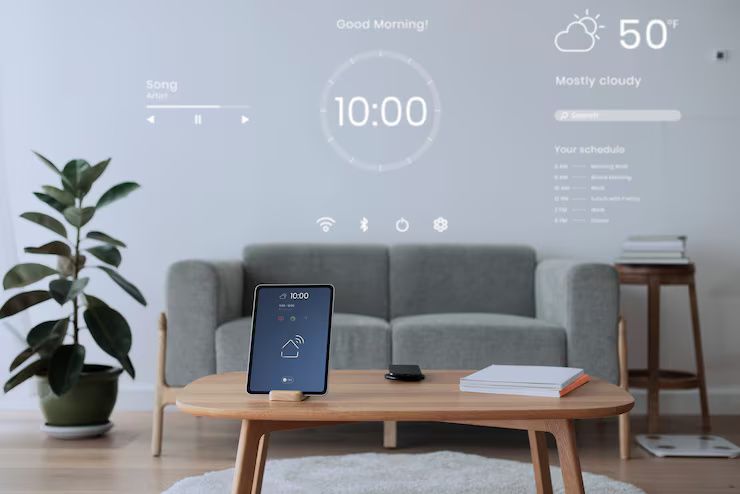
- Tech-integrated designs for smart homes
- Sustainable and eco-friendly materials
- Compact designs for urban living
- Customizable modular systems
These trends highlight the growing importance of efficient and adaptable living solutions.
Conclusion
Smart furniture is an essential solution for modern small homes. It combines functionality, flexibility, and style to make the most of limited space.
By choosing the right furniture and planning thoughtfully, it is possible to create a comfortable and organized living environment. Whether it is a foldable table, a convertible sofa, or a storage bed, smart furniture helps transform compact spaces into practical and enjoyable homes.
Understanding your needs and selecting suitable designs can make a significant difference in how your space feels and functions.