Smart Furniture for Small Homes: A Complete Guide
Living in a compact home does not mean compromising on comfort or functionality. With thoughtful planning and the right furniture choices, even the smallest spaces can feel organized, stylish, and practical. Smart furniture is designed to maximize space while maintaining usability, making it an ideal solution for modern urban living.
This piece dives into smart furniture - what it means, why it helps, how it shows up in different forms. Ways to rethink tight living areas come next. Each idea aims at making tiny homes work better without clutter. Solutions appear where function meets clever design. Room-saving tricks follow naturally when pieces do more than one job. Living small shifts from challenge to ease through thoughtful choices.
From walls that hide desks to benches becoming beds, clever pieces reshape how rooms work. Hidden drawers slide out where you least expect them. Some chairs flip into tables when needed. Built-in shelves appear inside what looks like a simple cabinet. Folding lets one item do jobs usually needing three. Design meets real life through parts that shift, tuck, or rotate. What stands still today might stretch tomorrow.
Built-in storage units shine inside small spaces like studios, city flats, or tiny rooms - space counts when floors feel tight.
Smart Furniture Fits Small Homes
Most tiny houses need smart ways to use every inch. Bulky sofas or beds eat up floor area while doing just one job.
Furniture that thinks on its feet reshapes how space works, swapping rigidity for smooth shifts. One moment it holds things, next it opens room - motion built into design.
Key advantages include:
- Maximizes available space without overcrowding
- Reduces clutter through built-in storage
- Enhances comfort and usability
- Supports modern, minimalist lifestyles
- Improves organization and accessibility
Smart furniture types for small areas
Foldable Furniture
Folding pieces fit tight spots without fuss. When unused, they tuck out of sight - opening room beneath and between. Space stretches wider once clutter pulls back into corners.
Take foldable tables, for instance - easy to stash when not needed. Chairs work much the same way, sliding neatly out of sight. Beds follow suit, folding up quietly into corners. Each one waits its turn until space opens again.
Convertible Furniture
Sometimes a sofa becomes a bed when night falls. That kind fits best where space must serve more than one role.
Some everyday picks: a couch turning into a bed, dinner tables growing bigger when needed, workspaces folding up into storage spots.
Modular Furniture
One piece fits here today, tomorrow somewhere else - shapes shift when life changes. Each part stands alone yet links easily, different each time it clicks together.
Besides shifting needs, it fits right into spots like living rooms or work areas at home. Though layouts evolve fast there, its use stays steady without fuss.
Storage-Integrated Furniture
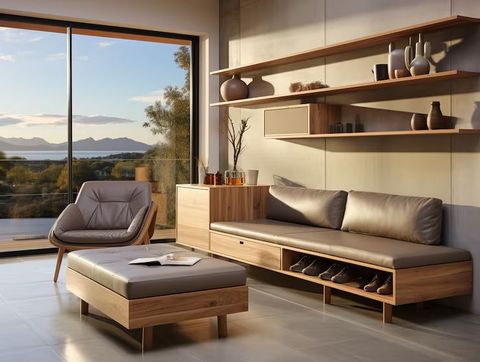
Hidden compartments inside chairs or tables keep things out of sight while making spaces neater. Storage tucked under beds or benches clears floor areas without extra effort.
Hidden storage shows up in furniture like beds that slide out drawers. Ottomans open to reveal space inside them. Coffee tables often come built with shelf areas underneath.
Smart Furniture Ideas for Different Rooms
Living Room
A home's busiest spot usually? The living room. Even when packed with people, clever pieces keep things feeling wide open, yet cozy all the same.
Consider:
- Sofa beds for accommodating guests
- Nesting tables that can be stacked
- Wall-mounted shelves to save floor space
- Storage ottomans for hidden organization
Bedroom
Most tiny houses struggle with tight sleeping areas when layout gets ignored. Cleverly designed pieces make room for calm plus everyday use. Yet space opens up once choices shift toward simplicity.
Useful ideas include:
- Beds with under-storage compartments
- Foldable desks for workspace needs
- Wall-mounted nightstands
- Murphy beds that fold into walls
Kitchen and Dining Area
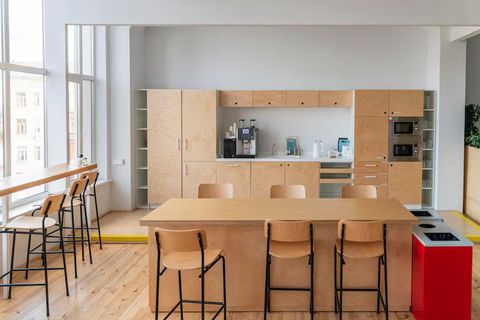
A tiny kitchen feels less crowded when furniture fits just right. What helps most? Pieces that take up little room but still work well. Small dining corners open up once bulky items are gone. Clever designs make tight spaces feel wider without losing function.
Examples include:
- Foldable dining tables
- Stackable chairs
- Wall-mounted drop-leaf tables
- Storage benches for seating
Home Office
Finding space to work at home gets trickier as more people do jobs remotely. Tiny houses now juggle living areas with spots for laptops and tasks.
Smart furniture solutions include:
- Foldable desks
- Wall-mounted workstations
- Compact chairs with storage
- Multi-use tables
Smart Furniture Types Compared
- Furniture Type Key Feature Best Use Case Space Efficiency
- Foldable Can Be Stored Temporary Areas High
- Convertible Multi Purpose Living Rooms Studios Very High
- Modular Custom Layout Flexible Spaces Medium To High
- Storage Built In Bedroom And Living High
Choosing Smart Furniture
Space size shapes what furniture fits best. Lifestyle matters just as much when picking pieces. Daily routines influence choices more than you might think.
Here are some important factors to consider:
Space Measurement
Before picking any piece, grab a tape measure. That way, you leave enough room to move around. A tight squeeze makes everything harder.
Functionality
A piece of seating might pull double duty when needed. Take, for instance, a couch that unfolds into sleeping space - suddenly it does more than just hold people during the day.
Ease of Use
Operating furniture ought to feel natural. Over years, tricky parts tend to wear thin.
Durability
Picking tough materials makes sense when things get heavy use. Since smart furniture sees a lot of action, lasting power matters more than looks ever could.
Aesthetic Appeal
Start with pieces that echo the room's vibe - flow matters more than you think. When things tie together, tight corners seem to breathe easier.
Smart Furniture Fits Daily Life
Out of sight, some pieces unfold into full-use items when needed. These designs make tiny living feel less cramped over time.
Among the advantages are these
- Better organization and reduced clutter
- Increased functionality in limited areas
- Improved mobility within rooms
- Enhanced visual appeal
- Adaptability to changing needs
common mistakes to avoid
A wrong pick might just undo all the good a smart piece could bring. Though these items work well when chosen right.
Watch out for these typical errors:
- Overloading the space with too many multifunctional pieces
- Ignoring measurements and proportions
- Choosing style over practicality
- Picking intricate patterns often trips people up. Tough layouts slow things down. Fancy setups confuse more than help. Tricky choices lead to frustration. Complex visuals make navigation messy
- Not considering long-term usability
Maximizing Small Spaces
Use Vertical Space
Lifting storage off the ground opens up a room in surprising ways. By fixing units to walls, clutter stays out of sight without crowding your feet. Space suddenly breathes when there's nothing blocking the floor. What feels bigger isn’t just height - it’s freedom to move.
Keep Layout Flexible
Start with pieces that slide, shift, or reposition without effort. That way, changing how a room feels becomes possible whenever things evolve.
Focus on Minimalism
Start with less. Empty spaces breathe easier, making rooms feel calmer, more open. Instead of crowding corners, leave room to move. Simplicity shapes how we relax. Clutter fades when choices stay minimal.
Choose Light Colors
White pieces near pale walls trick the eye into seeing more room. A bright sofa beside light paint makes corners seem farther apart. Soft tones on floors plus ceiling shades open up tight areas. Pale cabinets reflect daylight across small rooms. Furniture washed in white stretches the feel of narrow spaces.
Optimize Storage
Stashed away, belongings stay neat inside clever compartments. Out of view, things find quiet order beneath lids and panels.
Smart furniture changes ahead
Furniture gets smarter as life shifts, tech moves forward. Still, pieces adapt without making a fuss. Changes happen quietly, yet they stick around. Each update fits how people live now, not just what gadgets allow. Progress sneaks in through daily needs, not flashy promises.
Some emerging trends include:
- Furniture with built-in charging ports
- Tech-integrated designs for smart homes
- Sustainable and eco-friendly materials
- Compact designs for urban living
- Customizable modular systems
Living smarter becomes more crucial as needs shift over time. What works today might not tomorrow, so flexibility matters now more than ever.
Conclusion
Furniture that thinks ahead fits right into today’s compact living spaces. Not only does it serve a purpose, but it shifts easily, adapting on its own terms while keeping things sharp. With room at a premium, pieces transform - offering use, movement, and design in quiet balance.
Start with pieces that fit your space like they belong there. A fold-out table might be just what you need, while another person could lean toward a couch that becomes a bed. Storage inside a frame? That often makes mornings easier. Good choices shape how calm or hectic life feels each day. Turning small areas useful comes down to picking items that do more than one thing well.
A space begins to work better when it matches what you actually need. Picking the right design shapes how it lives and breathes around you.