Explore Furniture Painting Basics and Finishing Tips
Furniture painting is a practical way to refresh old pieces and bring new life into a space. Whether you are updating a wooden chair, cabinet, or table, understanding the basics helps you achieve a clean and lasting finish. With the right preparation, tools, and techniques, even simple projects can look polished and well-crafted.
This guide explores essential steps, helpful tips, and finishing techniques that support a smooth and durable result.
Understanding the Purpose of Furniture Painting
Furniture painting is not only about changing color. It also protects surfaces from wear, moisture, and daily use. A well-painted piece can last longer and remain visually appealing over time.
Different furniture materials respond differently to paint. Wood, metal, and laminate each require specific preparation methods. Knowing the surface type helps you choose the correct approach and avoid common issues like peeling or uneven coverage.
Choosing the Right Type of Paint
Selecting the correct paint is a key step in achieving a good finish. Each type of paint has unique characteristics that influence appearance and durability.
Common types include:
- Acrylic paint: water-based and easy to work with, suitable for beginners
- Chalk paint: provides a matte finish and works well for vintage styles
- Oil-based paint: offers durability but requires more drying time
- Latex paint: versatile and widely used for indoor furniture
The choice depends on the desired look, usage of the furniture, and the level of durability required.
Essential Tools and Materials
Having the right tools improves efficiency and results. Basic tools are simple but important for a smooth workflow.
You may need:
- Sandpaper or sanding block
- Primer
- Paintbrushes or rollers
- Clean cloths
- Protective sheets
- Sealer or topcoat
Using clean and appropriate tools helps prevent streaks, brush marks, and uneven layers.
Preparing the Surface
Preparation is one of the most important steps in furniture painting. Skipping this step often leads to poor adhesion and an uneven finish.
Start by cleaning the surface thoroughly. Remove dust, grease, and old residue using a mild cleaner. Once dry, lightly sand the surface to create a texture that helps the paint stick better.
If the furniture has an old finish or glossy surface, sanding becomes even more important. After sanding, wipe away dust with a clean cloth.
Applying a primer is recommended for most projects. Primer creates a smooth base and improves paint adhesion, especially on dark or stained surfaces.
Basic Painting Techniques
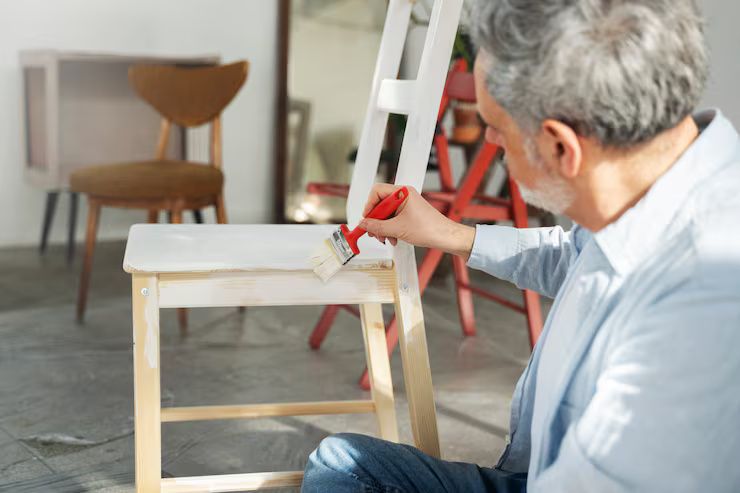
Applying paint correctly ensures a smooth and even finish. The technique used can affect the final appearance significantly.
Use thin and even coats rather than applying thick layers. Thick paint may drip or dry unevenly. Allow each coat to dry before applying the next.
When using a brush, follow the grain of the wood. This helps achieve a natural and clean look. Rollers can be useful for larger flat surfaces like tabletops.
Consistency in strokes and pressure helps avoid visible marks. Patience during this stage leads to better results.
Common Mistakes to Avoid
Beginners often face issues that can be avoided with simple awareness. Understanding these mistakes helps improve outcomes.
- Skipping surface preparation
- Applying thick paint layers
- Not allowing enough drying time
- Using the wrong type of paint
- Ignoring sanding between coats
Avoiding these mistakes saves time and effort while improving the final appearance.
Understanding Finishing Options
Finishing is the final step that protects the painted surface and enhances its appearance. It also determines the texture and sheen of the furniture.
Common finishing options include:
- Matte finish: soft and non-reflective appearance
- Satin finish: slight sheen with a smooth feel
- Gloss finish: shiny and reflective surface
Choosing the right finish depends on the style you prefer and how the furniture will be used.
Types of Sealers and Their Uses
Sealers protect the paint from scratches, stains, and moisture. They are especially useful for frequently used furniture like tables and chairs.
Below is a simple comparison table to help understand common sealers:
| Sealer Type | Finish Type | Best Use Case | Key Feature |
|---|---|---|---|
| Polyurethane | Satin/Gloss | High-use furniture | Strong protection |
| Wax | Matte | Decorative or low-use pieces | Soft natural finish |
| Acrylic sealer | Matte/Satin | Indoor furniture | Quick drying |
| Oil-based sealer | Gloss | Durable surfaces | Long-lasting coating |
Each type offers different levels of protection and visual appeal. Selecting the right one ensures durability and enhances the painted surface.
Adding Decorative Effects
Furniture painting can also include creative techniques that add character and style. These effects are optional but can make a piece stand out.
Popular decorative methods include:
- Distressing: lightly sanding edges for a vintage look
- Color layering: applying multiple colors for depth
- Dry brushing: adding texture with minimal paint
- Stenciling: creating patterns or designs
These techniques allow for personalization and creative expression while maintaining functionality.
Drying and Curing Process
Drying and curing are different stages that are often confused. Drying refers to the paint becoming touch-safe, while curing is when the paint fully hardens.
Allow enough time between coats to avoid smudging or uneven layers. After the final coat, let the furniture cure properly before regular use.
Proper curing improves durability and prevents damage from early use.
Maintenance Tips for Painted Furniture
Maintaining painted furniture helps preserve its appearance and extend its life. Simple care routines can make a significant difference.
- Clean with a soft, damp cloth
- Avoid harsh chemicals
- Protect from direct sunlight
- Use pads or coasters to prevent scratches
Regular maintenance ensures the finish remains intact and visually appealing.
Environmental Considerations
Painting furniture can also be approached in an environmentally mindful way. Choosing low-odor or water-based paints can reduce indoor air impact.
Reusing and updating old furniture instead of discarding it contributes to sustainability. It reduces waste and promotes resource efficiency.
When to Repaint or Touch Up
Over time, painted furniture may show signs of wear. Chips, scratches, or fading can occur with regular use.
Touch-ups can address small imperfections without repainting the entire piece. For larger areas, light sanding and repainting may be needed.
Regular inspection helps identify areas that need attention and keeps the furniture looking fresh.
Final Thoughts
Furniture painting is a practical and creative process that combines preparation, technique, and finishing. By understanding the basics, selecting the right materials, and following proper steps, you can achieve a smooth and durable result.
Each project offers an opportunity to improve skills and explore different styles. With patience and attention to detail, even simple furniture pieces can be transformed into attractive and functional elements in any space.