Wood Furniture Details: A Complete Guide to Styles and Materials
Wood furniture has remained a timeless choice for homes due to its durability, natural beauty, and versatility. Whether used in modern apartments or traditional interiors, wooden pieces bring warmth and character to any space. Understanding the different styles and materials helps in making informed decisions and appreciating the craftsmanship behind each piece.
This guide explores wood furniture in detail, covering types of wood, popular styles, construction methods, and care tips to help you gain a deeper understanding of this essential element of interior design.
Understanding Different Types of Wood
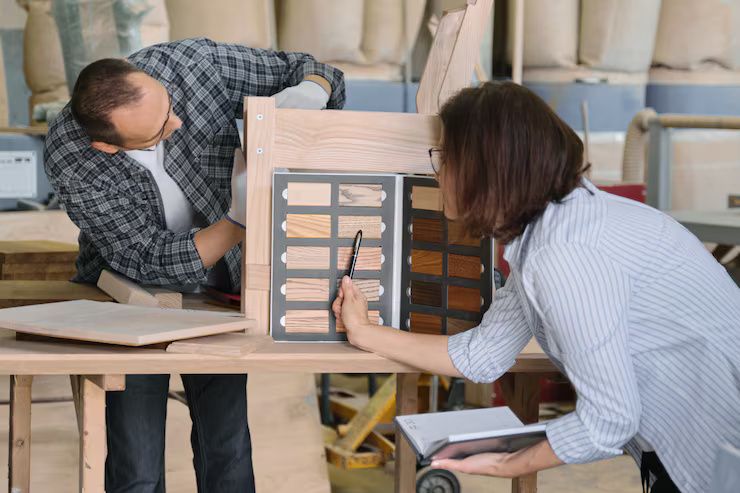
Wood furniture is broadly categorized into hardwood and softwood, each offering unique qualities. The type of wood used significantly influences the strength, appearance, and longevity of furniture.
Hardwoods are derived from deciduous trees and are known for their density and durability. These woods are commonly used in high-quality furniture because they resist wear and last longer.
Softwoods come from coniferous trees and are generally lighter and easier to work with. They are often used in simpler or more rustic designs.
Common hardwoods and their characteristics
- teak: highly durable and resistant to moisture, ideal for both indoor and outdoor furniture
- oak: strong with a prominent grain pattern, commonly used in classic furniture
- walnut: rich dark color with smooth grain, suitable for premium designs
- mahogany: known for its deep reddish tone and elegant finish
Common softwoods and their characteristics
- pine: lightweight with a pale color, often used in casual or rustic furniture
- cedar: naturally resistant to insects and moisture
- fir: stable and strong, commonly used in structural furniture pieces
Popular Wood Furniture Styles
Wood furniture is available in a wide range of styles that reflect different design philosophies. Each style has distinct features that influence the overall look and feel of a space.
Traditional furniture focuses on intricate details and classic forms. It often includes carved elements, curved lines, and rich finishes that create a timeless appearance.
Modern furniture emphasizes simplicity and functionality. Clean lines, minimal ornamentation, and smooth surfaces define this style.
Rustic furniture highlights natural textures and imperfections. It often uses reclaimed wood or distressed finishes to create a warm, earthy look.
Contemporary furniture blends elements from various styles. It adapts to current trends while maintaining a balance between aesthetics and practicality.
Key features of major styles
- traditional: ornate detailing, darker finishes, symmetrical designs
- modern: sleek shapes, neutral tones, minimal decoration
- rustic: rough textures, visible grain, natural finishes
- contemporary: mixed materials, evolving designs, versatile forms
Wood Processing and Construction Methods
The way wood is processed and assembled plays a crucial role in the strength and appearance of furniture. Different construction methods affect durability and overall quality.
Solid wood furniture is made entirely from natural wood. It is strong and long-lasting, but it may expand or contract with changes in humidity.
Engineered wood includes materials like plywood, MDF, and particleboard. These are made by combining wood fibers or layers, offering stability and uniformity.
Joinery techniques are used to connect different parts of furniture. High-quality joinery enhances strength and reduces the need for nails or screws.
Common joinery techniques
- dovetail joints: interlocking design for strong connections
- mortise and tenon: traditional method used in sturdy frames
- dowel joints: simple and effective for smaller components
- tongue and groove: used for panels and flooring
Comparing Wood Materials
Different wood materials have distinct properties that make them suitable for various applications. The table below provides a comparison to help understand their characteristics.
| Material Type | Durability Level | Appearance | Maintenance Needs | Common Uses |
|---|---|---|---|---|
| Solid hardwood | High | Rich and natural | Moderate | Dining tables, cabinets |
| Solid softwood | Medium | Light and simple | Moderate | Shelves, beds |
| Plywood | Medium to high | Layered look | Low | Wardrobes, panels |
| MDF | Medium | Smooth surface | Low | Painted furniture |
| Particleboard | Low to medium | Uniform texture | Low | Lightweight furniture |
This comparison highlights how each material serves different needs depending on durability, aesthetics, and usage.
Finishes and Surface Treatments
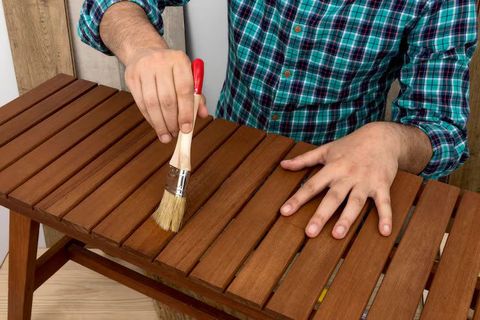
Wood finishes enhance the appearance of furniture while providing protection against moisture and wear. The choice of finish can dramatically change the look and feel of a piece.
Natural finishes preserve the original grain and texture of wood. They are ideal for showcasing the material’s beauty.
Stained finishes add color while maintaining the wood’s pattern. They are commonly used to achieve darker or richer tones.
Painted finishes completely cover the wood surface. They are popular in modern and contemporary designs for a clean appearance.
Protective coatings such as varnish, lacquer, and oil improve durability and resistance to scratches or stains.
Types of finishes
- oil finish: enhances natural grain and provides a soft sheen
- varnish: offers strong protection with a glossy or matte look
- lacquer: dries quickly and creates a smooth surface
- wax: adds a subtle shine and is easy to maintain
Maintenance and Care Tips
Proper care extends the lifespan of wood furniture and keeps it looking its best. Regular maintenance prevents damage and preserves its natural charm.
Avoid placing furniture in direct sunlight, as prolonged exposure can cause fading and drying. Maintaining a stable indoor environment helps prevent cracking or warping.
Cleaning should be done with a soft cloth to remove dust and debris. Harsh chemicals should be avoided as they can damage the finish.
Moisture control is essential for wooden furniture. Spills should be wiped immediately to prevent stains or swelling.
Simple care practices
- use coasters and mats to protect surfaces
- polish occasionally to maintain shine
- check joints and fittings for stability
- keep furniture away from extreme temperature changes
Choosing the Right Wood Furniture
Selecting the right wood furniture involves considering several factors such as purpose, style, and durability. Understanding these aspects helps in making better decisions.
Start by identifying the function of the furniture. For example, high-use items like dining tables require stronger materials, while decorative pieces may prioritize appearance.
Consider the existing interior style to ensure consistency. Matching furniture with the overall theme creates a harmonious look.
Evaluate the quality of construction and finishing. Well-crafted furniture not only lasts longer but also adds value to the space.
Factors to consider
- type of wood and its durability
- construction quality and joinery
- finish and maintenance requirements
- compatibility with interior design
Environmental and Sustainability Aspects
Wood furniture also plays a role in environmental sustainability. Responsible sourcing and production practices help reduce environmental impact.
Reclaimed wood is an eco-friendly option that repurposes old materials into new furniture. It adds character while promoting sustainability.
Engineered wood products often use recycled materials, making them more resource-efficient. However, quality and durability should still be considered.
Choosing furniture made from sustainably managed forests supports environmental conservation and responsible forestry practices.
Conclusion
Wood furniture continues to be a preferred choice due to its timeless appeal, versatility, and durability. From understanding different wood types to exploring styles and construction methods, each aspect contributes to the overall value of a piece.
By selecting the right materials, finishes, and designs, it is possible to create spaces that are both functional and visually appealing. With proper care and maintenance, wood furniture can remain a lasting part of any interior for years to come.