Wood Furniture Care Information: Key Facts for Better Longevity
Wood furniture adds warmth, character, and durability to any space. From classic hardwood pieces to modern engineered designs, proper care plays a major role in preserving both appearance and strength over time. Understanding how wood behaves and how environmental factors affect it can help extend the life of furniture while maintaining its natural beauty.
This guide provides practical, easy-to-follow insights into maintaining wood furniture for long-term use.
Understanding Wood as a Natural Material
Wood is a living material even after it has been crafted into furniture. It naturally expands and contracts based on humidity and temperature changes. This behavior makes proper care essential, especially in environments with seasonal variation.
Different types of wood also respond differently. Hardwood varieties like oak, teak, and walnut are generally more durable, while softwoods such as pine are more prone to dents and scratches.
Finishes applied to wood, such as varnish, lacquer, or oil, act as a protective layer. Knowing the type of finish helps determine the right cleaning and maintenance approach.
Daily and Weekly Care Practices
Consistent, gentle care is the foundation of long-lasting wood furniture. Small habits can prevent damage and reduce the need for intensive maintenance later.
- Dust surfaces regularly using a soft, dry cloth
- Avoid using rough materials that can scratch the finish
- Clean spills immediately to prevent staining or warping
- Use coasters and placemats to protect surfaces from moisture and heat
Weekly cleaning can involve slightly damp cloth wiping, but excess water should always be avoided. Moisture is one of the biggest causes of wood damage.
Ideal Environmental Conditions
Wood furniture performs best in stable indoor conditions. Extreme changes in humidity or temperature can lead to cracking, swelling, or warping.
Maintaining a balanced indoor climate is key. Ideally, humidity levels should remain between 40% and 55%. Sudden shifts, such as placing furniture near air conditioners or heaters, can cause long-term structural issues.
Direct sunlight exposure can also fade wood and degrade finishes. Position furniture away from windows or use curtains to reduce UV exposure.
Cleaning Techniques Based on Finish
Different finishes require slightly different care methods. Using the wrong cleaner can damage the surface or remove protective coatings.
Common Cleaning Methods
| Finish Type | Cleaning Method | Frequency |
|---|---|---|
| Varnished Wood | Dry cloth or mild damp wipe | Weekly |
| Oiled Wood | Dry cloth and occasional oil application | Monthly |
| Lacquered Wood | Soft cloth with gentle cleaner | Weekly |
| Painted Wood | Damp cloth with mild soap | As needed |
Always test cleaning products on a small hidden area before applying them widely.
Preventing Common Types of Damage
Wood furniture can face various types of wear over time. Preventive care is more effective than repair.
Moisture Damage
Water rings and stains are common issues. Avoid placing wet items directly on wood surfaces. Even small spills can seep into the finish and cause discoloration.
Scratches and Dents
Everyday use can lead to surface marks. Using protective pads under objects and avoiding dragging items across surfaces helps minimize damage.
Heat Marks
Hot dishes or appliances can leave white marks or burn spots. Always use heat-resistant mats or trivets.
Polishing and Conditioning
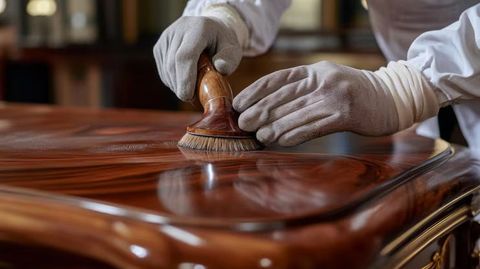
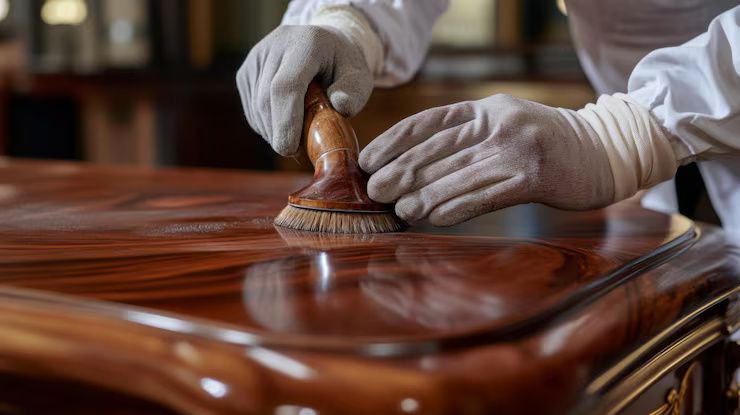
Polishing helps restore shine and adds a layer of protection. However, excessive polishing can lead to buildup and dullness.
Use polish sparingly and choose products suitable for your furniture type. Natural oils can help maintain moisture in the wood, especially for unfinished or oil-finished pieces.
Conditioning wood periodically prevents it from drying out and cracking. This is especially important in dry climates or during winter months.
Storage and Placement Tips
Proper placement of furniture contributes significantly to its longevity.
- Keep furniture away from direct heat sources
- Avoid placing heavy items unevenly on surfaces
- Ensure proper support for large furniture pieces
- Use rugs or pads under furniture legs to prevent floor damage and maintain stability
When storing wood furniture, ensure the area is dry and well-ventilated. Avoid wrapping in plastic, as it can trap moisture.
Seasonal Care Adjustments
Wood furniture needs slightly different care depending on the season.
In humid seasons, wood may expand. Using dehumidifiers can help maintain balance. In dry seasons, wood may shrink or crack, so adding moisture to the air with humidifiers can be beneficial.
Regular inspection during seasonal changes helps catch minor issues early before they worsen.
Repairing Minor Issues at Home
Small damages can often be addressed with simple methods.
- Surface scratches can be reduced using touch-up markers or wax sticks
- Water rings may fade with gentle rubbing using a soft cloth and mild solution
- Loose joints can be tightened with appropriate tools
For deeper damage or structural issues, professional restoration may be required.
Long-Term Maintenance Strategy
A consistent maintenance routine ensures wood furniture remains in good condition for years.
- Schedule regular cleaning and inspection
- Reapply protective finishes when needed
- Monitor environmental conditions
- Address minor issues promptly
Avoid neglecting furniture for long periods, as damage can accumulate and become harder to manage.
Sustainability and Wood Furniture Longevity
Extending the life of wood furniture also supports sustainable living. Maintaining existing pieces reduces the need for replacement and helps conserve natural resources.
Choosing quality materials and caring for them properly ensures that furniture can last for decades, sometimes even becoming heirloom pieces.
Key Facts to Remember
- Wood reacts to environmental changes, so stability is important
- Gentle, regular cleaning is more effective than occasional deep cleaning
- Protection from moisture, heat, and sunlight prevents most damage
- Different finishes require different care approaches
- Preventive care saves time and effort in the long run
Conclusion
Wood furniture care is not complicated, but it does require consistency and awareness. By understanding the nature of wood and following simple maintenance practices, you can preserve both the appearance and durability of your furniture.
Small daily habits, combined with seasonal adjustments and occasional conditioning, can significantly extend the life of wood furniture. With proper care, these pieces can remain functional and visually appealing for many years.