Upholstery Cleaning Resources: Practical Advice for Every Home
Keeping upholstered furniture clean is essential for maintaining a healthy and comfortable living environment. Sofas, chairs, and cushions collect dust, allergens, spills, and odors over time, which can affect both appearance and indoor air quality. With the right knowledge and resources, upholstery cleaning becomes a manageable and effective part of home care.
This guide provides practical advice, easy techniques, and helpful insights to help you maintain your upholstery without confusion or unnecessary effort.
Understanding Upholstery Fabrics
Before starting any cleaning process, it is important to understand the type of fabric you are dealing with. Different materials require different care methods, and using the wrong approach can lead to damage.
Common upholstery materials include cotton, linen, polyester, microfiber, leather, and velvet. Each has unique characteristics. For example, microfiber is relatively easy to clean, while velvet requires a more delicate approach.
Most furniture comes with a cleaning code label. These codes help guide your cleaning method:
- W: Use water-based cleaning methods
- S: Use solvent-based cleaners only
- WS: Suitable for both water and solvent cleaning
- X: Vacuum only, no liquids
Always check the label before applying any cleaning solution.
Essential Upholstery Cleaning Tools
Having the right tools makes the process more efficient and less time-consuming. You do not need advanced equipment, but a few basic items can significantly improve results.
Here are some useful tools for regular maintenance:
- Vacuum cleaner with upholstery attachment
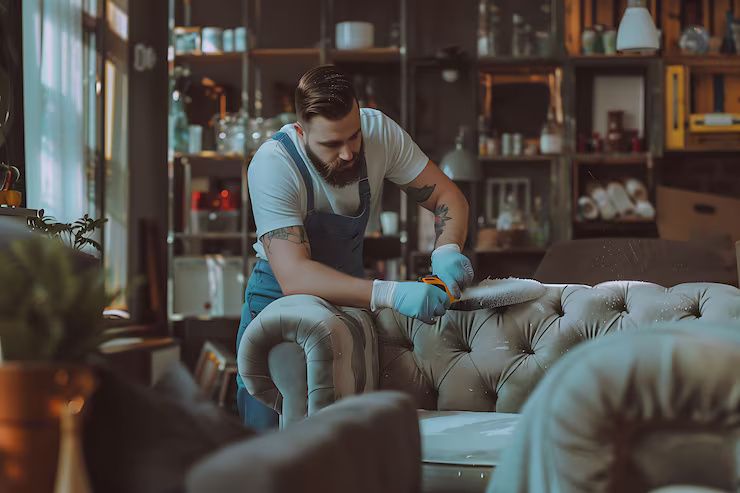
- Soft-bristle brush
- Microfiber cloths
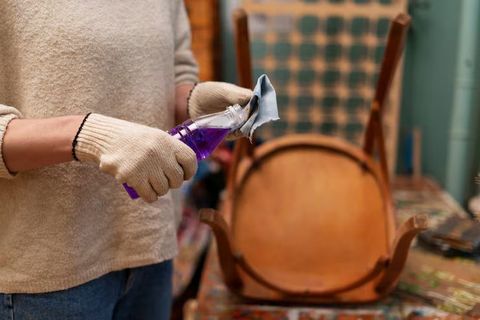
- Spray bottle
- Mild detergent or upholstery cleaner
These tools help remove surface dust, tackle stains, and refresh fabric without causing damage.
Basic Upholstery Cleaning Routine
A consistent cleaning routine prevents dirt buildup and extends the life of your furniture. Regular care is more effective than occasional deep cleaning.
Start by vacuuming your furniture at least once a week. Focus on crevices, seams, and cushions where dust tends to accumulate. This helps remove loose dirt and allergens before they settle deep into the fabric.
For light cleaning, use a damp microfiber cloth to wipe down surfaces. Avoid soaking the fabric, as excess moisture can lead to mold or odor issues.
Spot cleaning should be done as soon as spills occur. Blot the stain gently instead of rubbing, which can spread the stain further.
Common Upholstery Stains and Solutions
Different stains require different treatments. Acting quickly improves the chances of complete removal.
Here is a simple guide to handling common stains:
| Stain Type | Recommended Method | Notes |
|---|---|---|
| Food spills | Mild detergent with warm water | Blot gently |
| Ink | Isopropyl alcohol on cloth | Test on hidden area first |
| Grease or oil | Baking soda followed by light brushing | Absorbs oil effectively |
| Coffee or tea | Vinegar and water solution | Helps remove discoloration |
| Pet stains | Enzyme-based cleaner | Reduces odor and bacteria |
Always test any cleaning solution on a small, hidden section before applying it to a visible area.
Deep Cleaning Methods
While regular maintenance keeps upholstery fresh, deep cleaning is necessary to remove embedded dirt and restore fabric appearance.
Steam Cleaning Approach
Steam cleaning uses hot vapor to loosen dirt and kill bacteria. It is suitable for many fabric types but should be avoided for delicate materials like velvet or silk.
Ensure the fabric is labeled safe for water-based cleaning before using this method. After cleaning, allow sufficient drying time to prevent moisture retention.
Dry Cleaning Method
Dry cleaning involves using minimal moisture and specialized solvents. This method is ideal for fabrics marked with an "S" code.
Apply the cleaner using a cloth and gently blot the surface. Proper ventilation is important when using solvent-based products.
Natural Cleaning Alternatives
Many homeowners prefer natural cleaning solutions for safety and simplicity. These alternatives can be effective for light cleaning and minor stains.
Some common natural options include:
- Vinegar and water mixture for odor removal
- Baking soda for absorbing moisture and smells
- Lemon juice for mild stain treatment
Natural solutions are generally safe but still require testing before use.
Preventive Upholstery Care
Preventing dirt and stains is easier than removing them. Small habits can make a significant difference in maintaining clean furniture.
Consider these preventive tips:
- Use washable covers or throws
- Keep food and drinks away from upholstery
- Rotate cushions regularly to distribute wear
- Avoid direct sunlight to prevent fading
- Groom pets to reduce shedding
These simple steps help preserve both appearance and durability.
Managing Odors Effectively
Odors can develop from spills, pets, or everyday use. Regular cleaning helps, but sometimes additional steps are needed.
Sprinkling baking soda over the surface and letting it sit for 15–20 minutes before vacuuming can neutralize odors. For stronger smells, a light vinegar spray can help break down odor-causing particles.
Ensure proper ventilation during and after cleaning to allow fresh air circulation.
Upholstery Cleaning for Different Furniture Types
Not all furniture requires the same approach. Understanding specific needs ensures better results.
Sofas and Sectionals
These are high-use items and require frequent cleaning. Vacuuming and spot cleaning should be done regularly, with occasional deep cleaning depending on usage.
Dining Chairs
Dining chairs are prone to food spills. Quick cleanup is essential to prevent stains from setting. Fabric protectors can also help reduce absorption.
Cushions and Pillows
Removable covers should be cleaned according to their care instructions. For non-removable covers, spot cleaning and vacuuming are effective.
When to Refresh vs Replace
Over time, upholstery may show signs of wear that cleaning cannot fix. Fading, thinning fabric, or persistent odors may indicate the need for replacement or reupholstering.
However, regular care can significantly delay this process and maintain the furniture’s usability and comfort.
Creating a Cleaning Schedule
A structured cleaning plan ensures that upholstery remains in good condition throughout the year.
Here is a simple schedule to follow:
- Weekly: Vacuum and light dust removal
- Monthly: Spot cleaning and odor treatment
- Quarterly: Deep cleaning or steam cleaning
- Annually: Thorough inspection and fabric care review
Consistency is key to achieving long-lasting results.
Final Thoughts
Upholstery cleaning does not have to be complicated or time-consuming. With the right approach, tools, and habits, maintaining clean and fresh furniture becomes a routine part of home care.
Understanding fabric types, responding quickly to stains, and following a regular cleaning schedule can make a noticeable difference. Whether using basic methods or deeper cleaning techniques, consistency and care are essential.
By applying these practical tips and resources, you can keep your upholstery looking well-maintained while also supporting a healthier living space.