The Ultimate Patio Furniture Guide: Explore Styles, Materials, and Layout Tips
Creating a comfortable and stylish outdoor space starts with the right patio furniture. Whether you have a compact balcony or a spacious backyard, thoughtful choices can transform your area into a relaxing retreat. This guide explores styles, materials, and layout tips to help you design an outdoor setup that fits your lifestyle.
Patio furniture is more than just seating. It shapes how you use your outdoor space for dining, relaxing, or entertaining guests. With the right approach, even small areas can feel inviting and functional.
Understanding Patio Furniture Styles
Choosing a style sets the foundation for your outdoor design. It influences everything from color schemes to furniture shapes.
Modern patio furniture focuses on clean lines and minimal decoration. Neutral tones like gray, white, and black are common, often paired with sleek materials like metal or glass.
Traditional styles offer a more classic and cozy feel. These designs often include ornate details, warm colors, and materials like wood or wicker.
Rustic patio furniture emphasizes natural textures and earthy tones. It works well in gardens or countryside settings where a relaxed atmosphere is preferred.
Bohemian styles bring a mix of colors, patterns, and textures. This approach allows for creative combinations and a more casual, laid-back vibe.
Common Patio Furniture Materials
The material you choose affects durability, maintenance, and overall appearance. Each option has unique characteristics that suit different environments.
Wood
Wood offers a natural and timeless look. Popular choices include teak, cedar, and eucalyptus.
- Teak is highly durable and resistant to weather.
- Cedar is lightweight and has natural insect resistance.
- Regular maintenance helps preserve the finish.
Metal
Metal furniture is known for strength and modern appeal. Aluminum and steel are common options.
- Aluminum is lightweight and resistant to rust.
- Steel is sturdy but may require protective coatings.
- Metal frames often pair well with cushions for comfort.
Wicker and Rattan
Wicker furniture creates a cozy and textured appearance. Synthetic rattan is often used for outdoor settings.
- Lightweight and easy to move.
- Resistant to weather when made from synthetic materials.
- Works well in both traditional and modern spaces.
Plastic and Resin
Plastic furniture is practical and versatile. It comes in various colors and styles.
- Easy to clean and maintain.
- Lightweight and affordable.
- Suitable for casual outdoor setups.
Choosing the Right Furniture Pieces
Selecting the right pieces depends on how you plan to use your patio. Consider both functionality and available space.
Dining sets are ideal for outdoor meals and gatherings. They typically include a table and multiple chairs.
Lounge seating creates a relaxing environment. Sofas, sectionals, and recliners are common options.
Bistro sets work well in small spaces. They usually include a small table and two chairs.
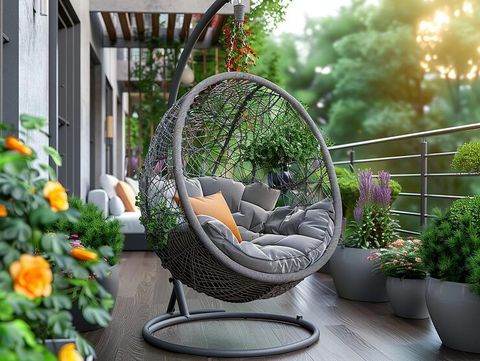
Daybeds and hammocks add a touch of luxury and comfort. These pieces are perfect for relaxation.
- For entertaining: choose larger seating arrangements.
- For quiet relaxation: opt for lounge chairs or swings.
- For compact areas: select foldable or stackable furniture.
Layout Tips for Different Spaces
A well-planned layout improves both comfort and usability. It ensures that your patio feels organized rather than crowded.
Small Balconies
Maximize space with compact furniture. Foldable chairs and wall-mounted tables are practical choices.
Keep pathways clear to avoid a cramped feeling. Use vertical elements like shelves or hanging plants.
Medium Patios
Create defined zones for different activities. For example, separate dining and lounging areas.
Use rugs or lighting to visually divide spaces. This adds structure without physical barriers.
Large Backyards
Large spaces allow for more creativity. Consider multiple seating areas and focal points.
Fire pits, pergolas, or outdoor kitchens can enhance functionality. Arrange furniture to encourage conversation.
Comfort and Accessories
Comfort plays a key role in making your patio enjoyable. Accessories can elevate both style and usability.
Cushions and pillows add softness and color. Choose weather-resistant fabrics for durability.
Outdoor rugs help define spaces and add warmth. They also improve the overall aesthetic.
Lighting extends usability into the evening. Options include string lights, lanterns, and solar lamps.
Shade solutions like umbrellas or canopies provide protection from the sun. They make outdoor spaces more comfortable during hot days.
- Use layered lighting for ambiance.
- Add throws for cooler evenings.
- Incorporate plants for a natural touch.
Maintenance and Care Tips
Proper care extends the lifespan of your patio furniture. Different materials require different maintenance routines.
Clean furniture regularly to prevent dirt buildup. Mild soap and water work for most surfaces.
Store cushions in a dry place when not in use. This helps prevent mold and fading.
Protect furniture with covers during harsh weather. This is especially important for wood and metal pieces.
Inspect furniture periodically for wear or damage. Addressing issues early helps maintain quality.
Quick Comparison of Patio Furniture Materials
| Material | Durability | Maintenance Level | Best For |
|---|---|---|---|
| Wood | High | Medium | Natural and classic designs |
| Metal | High | Low to Medium | Modern and sleek setups |
| Wicker/Rattan | Medium | Low | Cozy and casual spaces |
| Plastic/Resin | Medium | Low | Lightweight and simple use |
This table highlights how different materials compare in terms of durability and care. It can help guide your decision based on your needs.
Creating a Cohesive Outdoor Design
A cohesive design ties all elements together. It ensures that your patio feels balanced and visually appealing.
Choose a consistent color palette. This creates harmony across furniture and accessories.
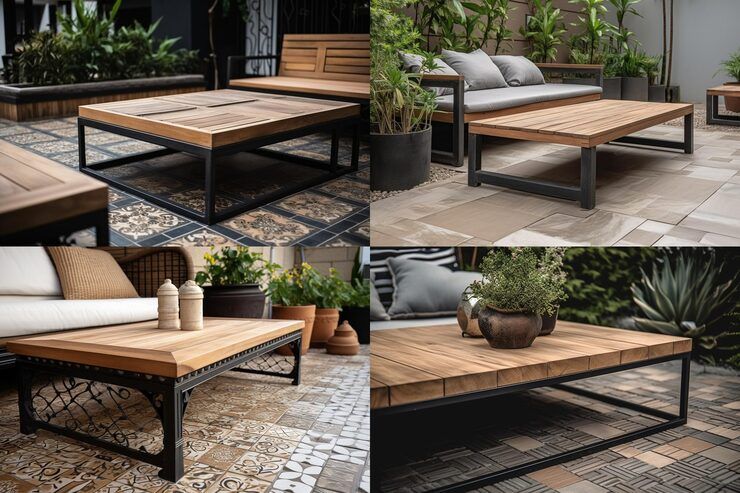
Mix textures carefully to avoid clutter. Combining materials like wood and metal can add depth.
Keep functionality in mind when arranging furniture. Every piece should serve a purpose.
Personal touches like decorative items or plants can enhance the overall look. These details make the space feel unique.
Final Thoughts
Designing the perfect patio involves thoughtful planning and creative choices. From selecting styles to arranging furniture, every decision contributes to the final result.
Focus on comfort, durability, and layout to create a space that suits your needs. Whether it is for relaxation or social gatherings, the right setup can transform your outdoor area into a welcoming retreat.
A well-designed patio not only enhances your home but also provides a space to enjoy fresh air and unwind.