Standing Desk Benefits: A Complete Guide to Better Work Habits
Modern work routines often involve long hours of sitting, which can affect both physical health and productivity. A standing desk introduces a simple yet effective way to break that pattern and encourage more active work habits. By alternating between sitting and standing, individuals can create a healthier and more balanced workspace.
This guide explores how standing desks support better work habits, improve overall well-being, and help maintain focus throughout the day.
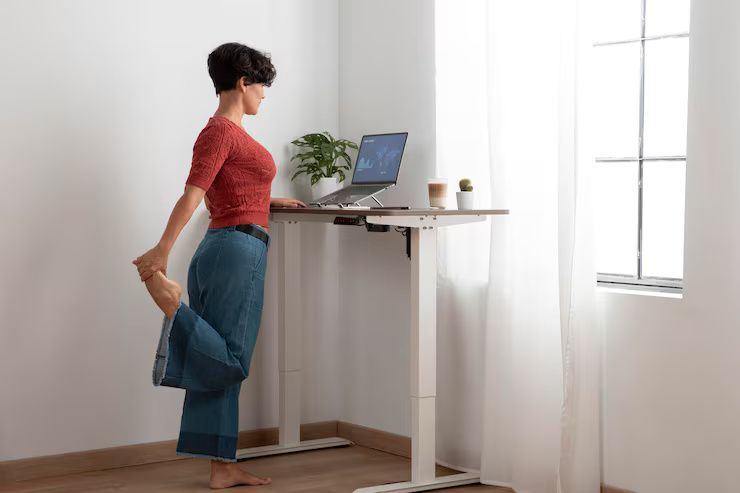
Understanding Standing Desks and How They Work
A standing desk is designed to allow users to work comfortably while standing. Some models are fixed, while others are adjustable, enabling smooth transitions between sitting and standing positions.
These desks are increasingly used in home offices and workplaces as awareness grows about the risks of prolonged sitting. They are often paired with ergonomic accessories such as monitor risers and anti-fatigue mats to improve comfort.
The goal is not to stand all day but to create a flexible work environment that supports movement and posture changes.
Health Benefits of Using a Standing Desk
One of the main reasons people switch to standing desks is to improve physical health. Sitting for long periods has been linked to various issues, including poor posture and reduced circulation.
Standing desks help address these concerns by encouraging movement and better alignment. Over time, this can contribute to noticeable improvements in daily comfort.
Key health-related advantages include:
- Reduced lower back pain and stiffness
- Improved posture and spinal alignment
- Better blood circulation
- Increased energy levels during work hours
- Support for calorie burning compared to sitting
These benefits make standing desks a practical addition to healthier work routines.
Impact on Productivity and Focus
Standing desks can influence how people approach their tasks. Many users report feeling more alert and engaged when they alternate between sitting and standing.
This shift in posture often leads to improved concentration. Standing naturally encourages slight movement, which can help prevent mental fatigue during long work sessions.
Some productivity-related effects include:
- Enhanced focus during tasks
- Reduced afternoon sluggishness
- Greater engagement in meetings or calls
- Improved task completion rates
While results vary, incorporating standing periods into the day often supports better mental clarity.
Standing vs Sitting: A Simple Comparison
Understanding the differences between sitting and standing can help in making informed decisions about workspace habits.
| Aspect | Sitting for Long Periods | Using a Standing Desk |
|---|---|---|
| Posture | Often slouched | More upright alignment |
| Energy Levels | May decrease over time | More consistent energy |
| Calorie Burn | Lower | Slightly higher |
| Focus | Can decline | Often improved |
| Muscle Activity | Minimal | Increased engagement |
This comparison shows that combining both positions can lead to a more balanced and effective routine.
Best Practices for Using a Standing Desk
Using a standing desk effectively requires more than just standing. Proper setup and habits are essential to avoid discomfort.
How to Set Up Your Desk Correctly
The desk height should allow your elbows to remain at a 90-degree angle while typing. Your screen should be at eye level to prevent neck strain.
Keep your wrists straight and shoulders relaxed. Small adjustments can make a significant difference in long-term comfort.
Tips for Daily Use
To get the most out of a standing desk, follow simple daily practices:
- Alternate between sitting and standing every 30 to 60 minutes
- Use supportive footwear or a cushioned mat
- Keep frequently used items within easy reach
- Maintain a neutral spine position
- Take short walking breaks during the day
Consistency is key when building new habits around standing desks.
Common Mistakes to Avoid
While standing desks offer many benefits, improper use can lead to discomfort. Avoiding common mistakes ensures a positive experience.
Standing for too long without breaks can cause fatigue. Balance is important, and sitting periods should still be part of the routine.
Other mistakes to watch for include:
- Incorrect desk height leading to strain
- Locking knees while standing
- Ignoring posture alignment
- Skipping movement breaks
Being mindful of these factors helps prevent unnecessary strain and supports long-term use.
Who Can Benefit Most from Standing Desks
Standing desks are suitable for a wide range of individuals. They are particularly helpful for those who spend extended hours at a desk.
People who may benefit include:
- Office workers with sedentary routines
- Remote workers setting up home offices
- Students studying for long hours
- Professionals attending frequent virtual meetings
Even those with active jobs can use standing desks to improve posture during focused tasks.
Long-Term Effects on Work Habits
Over time, standing desks can influence daily routines and overall lifestyle. Small changes, such as standing during calls or stretching more often, can lead to healthier habits.
These desks encourage awareness of posture and movement. This awareness often extends beyond the workspace, promoting more active daily behavior.
Long-term benefits may include:
- Better posture awareness
- Increased daily movement
- Improved work-life balance
- Reduced discomfort during long tasks
Adopting a standing desk is not just a short-term change but a step toward sustainable work habits.
Conclusion
Standing desks provide a practical way to improve work habits and support overall well-being. By reducing prolonged sitting and encouraging movement, they help create a more dynamic and comfortable workspace.
The key is balance. Alternating between sitting and standing, maintaining proper posture, and taking regular breaks can maximize the benefits. With consistent use, standing desks can contribute to healthier routines, better focus, and improved daily productivity.