Smart Home-Integrated Furniture: Tips for Smarter Interiors
Modern homes are evolving beyond traditional layouts and static furniture. With the rise of connected technology, homeowners are now exploring smarter ways to organize and personalize living spaces. Smart home-integrated furniture combines functionality, automation, and digital convenience to create interiors that are both practical and modern.
Tables now come with lights you control by speaking. Beds watch your sleep patterns without making a fuss. Homes feel different because of it. Comfort grows when things work quietly together. Organization slips into daily life like a habit. Energy gets used smarter behind the scenes. Style stays intact, sometimes even sharper. Little changes add up without shouting about it.
Smart Home Furniture Explained
Out of sight but built right in - some furniture now hides tech like sensors or Wi-Fi inside. Running quietly behind daily routines, these items link up with home systems that adjust lights, temperature, or sound without a tap. Instead of standing apart, they blend into how spaces respond on their own. Smooth moves happen when chairs, tables, or cabinets know what time it is - or feel someone enter the room.
Furniture today slips tech into corners you might not expect - neat, quiet, out of sight. Hidden ports wake up when needed, powered by gestures or presence alone. Lights come on before you ask, guided by movement through space. Temperature checks happen silently, behind walls or inside shelves. Control shifts to screens small enough to vanish between uses.
When daylight fades, certain pieces dim their glow without needing a tap. Instead of staying fixed, some shift when they sense slouching. Machines inside chairs react just like someone who notices how you sit. As morning light grows, settings adapt before you even think about it. These items pay attention, then change themselves.
Popular Categories Include
- Smart sofas with charging ports
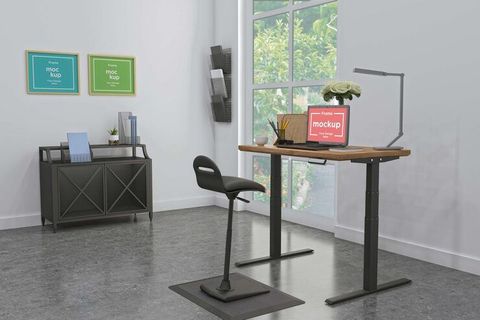
- Height-adjustable desks
- Smart wardrobes with lighting automation
- IoT-enabled coffee tables
- Intelligent storage systems
- AI-assisted beds and recliners
More people choose these items now since they fit well in today’s homes while making life easier. Not just useful, they also look good beside sleek furniture and clean lines. Their rise comes from blending into spaces where style matters just as much as function.
Smart Furniture Gains Popularity
These days, tech weaves through daily routines like thread in fabric. Homes shift shape because of it - responding quietly. Comfort matters, yes, but so does order within four walls. Connection runs beneath everything, yet appearance still counts. Style slips in even when wires hide behind panels.
Out of the ordinary living room setups now link lights, sound gear, and power stations without effort. Voice prompts or phone screens let people manage these features one after another.
Several Factors Are Contributing to This Growing Trend
- No cords means simpler hookups across gadgets.
- Automation inside makes daily tasks flow smoother.
- Fits tight spots so space stays open and clear.
- Tracks power use to guide smarter choices.
- Manage everything from one screen, anytime.
- Runs quietly in the background using smart detection.
- Adapts on its own based on how you move through rooms.
Furniture now moves through your day like a quiet helper, while homes fill up with invisible signals. Once still and unnoticed, it reacts - responding to light, time, even breath.
Smart Furniture Key Features
Start by thinking through daily routines before picking tech-heavy furniture. Some homes simply won’t use half the gadgets on offer. A clear picture of real-life demands shapes smarter room layouts. What works elsewhere might clutter your space instead.
Connectivity and Compatibility
Smooth operation often hinges on how well new furniture links with what you already own. Devices tied to the internet must follow cues from familiar apps, lights, or spoken commands without hassle. A piece that resists integration tends to frustrate rather than help. Getting along with major platforms isn’t optional - it’s expected.
Most pieces now come ready to link up in more than one way, which helps when swapping out older gear later on. Staying in touch across gadgets usually happens through Wi-Fi, sometimes by Bluetooth - both keep things running without hiccups.
How Things Work in Daily Life
When tech fits smoothly into daily life, it feels helpful instead of distracting. Furniture with smart parts makes sense only if those pieces blend quietly into how people already live.
Examples Include
- Desks that remember height preferences
- Smart mirrors with weather updates
- Beds with temperature adjustments
- Storage units with occupancy sensors
When a room must shift from work space to guest area by evening, smart furniture adapts without extra effort. Morning meetings happen at a desk that later becomes a dining surface. A single piece responds to changing needs across hours. Hidden mechanisms allow seating to transform when daylight fades. Technology blends into design so living stays fluid. What stands still during one moment moves purposefully the next. Function follows life, not the reverse.
Smart Living Room Furniture Ideas
Out here, where most folks spend their downtime, tech blends right into daily life. A couch that charges your phone? That kind of setup makes ease feel natural. Little by little, pieces adapt - responding to voice, adjusting light, fitting how you move through the day.
Now you’ll find speakers right inside smart media consoles. Alongside those, there’s space that powers your phone without cords. Wires stay hidden thanks to clever storage tucked within. Less mess shows up on the shelf because of it. Getting things done feels smoother as a result.
Smart Sofas and Recliners May Include
- USB charging ports
- Adjustable seating positions
- Ambient lighting
- Integrated speakers
- App-controlled settings
Now appearing in living rooms, coffee tables do more than hold cups. Built-in coolers keep drinks chilled right inside the frame. Screens on the surface let fingers swipe through music or settings. Underneath the top, secret spots power up phones without a cord show. These pieces adapt quietly, fitting tasks people actually repeat every day.
Out of nowhere, lights built into furniture are catching on. These pieces, packed with LEDs, might shift brightness when someone walks in - or react to what you say. Sometimes they just adjust themselves, no asking needed.
Comfort meets smart tech when living room furniture adapts on its own. These pieces shape space around how you actually sit, move, rest - responding without being asked.
Smart Bedroom Furniture Designed for Comfort
These days, bedrooms lean into tech because folks want calm and better rest. Instead of just beds and nightstands, smart pieces pop up to ease your body, tidy things around you, bring deeper shut-eye. Some gadgets help you sink into stillness, others keep drawers quiet, lights soft. Rest zones now hum gently with features that follow breath, adjust warmth slowly through the night.
When you rest, smart beds track how you move, your breathing rhythm, then quietly adapt. These setups tweak pillow height or soften the base mid-sleep based on real-time data.
Smart Bedside Tables Now Include
- Wireless charging
- Touch-sensitive lighting
- Integrated speakers
- Digital assistant compatibility
Out of nowhere, smart storage units have started showing up more often in homes. When movement is detected, lights switch on, making it easier to find things without digging around. On top of that, digital checklists keep track of what's inside so stuff does not pile up over time.
When space is tight, pieces that do more than one thing matter most. A bed might hide drawers underneath instead of standing alone. Some desks tuck away when not in use. Style stays intact even as rooms adapt. Clever design fits life without shouting about it.
Smart Interior Balance
Even though gadgets make life easier, too many automated features might lead to messy spaces or confusing setups. Finding harmony between tech tools and cozy living areas shapes a well-working home environment.
Wood, glass, or fabric - these quiet elements let furniture sit gently within today’s living spaces. A spare arrangement brings calm by keeping things clear and uncluttered.
Some Practical Design Strategies Include
- Use hidden wiring systems
- Prioritize multifunctional furniture
- Avoid excessive device overlap
- Maintain open floor space
- Select furniture with long-term adaptability
A home breathes easier when tech slips into the background. Quiet design tends to work harder without announcing itself.
Energy Efficiency and Sustainability
When it comes to decorating spaces, saving power now matters more than before. Furniture that thinks on its own helps cut down wasted electricity without making a fuss.
Some smart home furniture comes with built-in power controls that react automatically. When no one is around, the system might dim lights or pause charging cycles instead of running constantly. These adjustments happen quietly, without needing a person nearby.
Examples of Sustainable Smart Furniture Features Include
- Lights turn on only when movement is detected.
- That cuts down wasted power.
- Temperature adjusts itself throughout the day.
- This helps save energy over time.
- Plugs shut off power when devices are idle.
- Less juice slips away doing nothing.
- Brightness changes based on natural light available.
- Electricity gets used more wisely.
- Rooms know if someone is inside or not.
- Resources respond without being told.
Furniture makers now test reusable resources, while building pieces in sections to extend how long they last. Some try designs that adapt over time because waste matters more today.
Smart Furniture Common Challenges
Yet comfort comes with complications when pieces link online. Seeing the downsides lets people pick wisely at home.
Here’s a thing to think about: what happens years down the line. Stuff changes fast, especially tech, so today’s smart setup might not work later. Picking pieces that support software updates or follow common connection rules can make things last longer.
When it comes to smart furniture, keeping personal information safe matters just as much as convenience. Devices that learn how you sit or move might store those patterns over time. A strong home network helps guard what gets saved. So does choosing brands known for taking privacy seriously.
Among Typical Hurdles Are
- Software updates
- Connectivity interruptions
- Device synchronization issues
- Increased maintenance complexity
Starting with clear goals might ease worries, yet choosing only essential features keeps things steady at home. A solid setup often comes from patience instead of rushing every piece into place.
Smart Furniture Layout Planning Tips
Start by thinking ahead if smart furniture's part of your room plan. That way, the space works better without feeling too full. How things fit together matters more than you might expect.
Helpful Planning Tips Include
- A single piece might lead to another, linked by design. Sometimes a pair forms the beginning, joined in purpose.
- Focus on high-use areas first.
- Ensure reliable Wi-Fi coverage.
- Consider cable management early.
- Leave space for future upgrades.
Start by picking pieces that do more than one thing. That way, the room stays open instead of packed with gadgets that just get in the way.
The Future of Smart Home Furniture
One thing shaping tomorrow's living spaces? A push toward custom touches, planet-friendly choices, furniture adjusting itself based on how you live. Rooms might start behaving less like boxes, more like quiet helpers - learning habits, shifting light or support without being told. Tech blends in, not stands out, reacting to air quality, movement, time of day. Materials could favor what lasts, what breathes, what leaves little trace when their turn ends. Surprise changes happen slowly - a chair firming up when it notices posture slipping. Not everything connects; only what makes sense does. Simplicity hides complexity, working just enough, stopping before clutter takes over.
Future Innovations May Include
- Voice-responsive surfaces
- Advanced biometric monitoring
- Self-adjusting ergonomic furniture
- AI-driven climate adaptation
- Fully integrated augmented reality systems
Furniture might start shaping how we interact with homes, as these spaces get smarter over time. Instead of just holding things, pieces could respond to movement, light changes, or even habits built through repetition.
Comfort now means more than just a soft chair. With smart furniture gaining attention, daily living spaces adapt in subtle ways. Not only do people want cozy corners, they expect them to adjust on their own. Imagine lamps that respond before you ask. Rooms shift roles - work then rest - with quiet ease. Technology blends into routines without taking over. Living well includes staying alert, calm, relaxed - all at once. Furniture learns patterns simply by being there. It's less about gadgets, more about feeling supported.
Conclusion
Out of nowhere, furniture now talks back - literally. Lights shift without switches when rooms sense your step. Seating adjusts itself mid-movement like it knows what you need before you do. Storage tracks where things go, so nothing vanishes into couch cracks again. Efficiency sneaks in through tiny sensors tucked under wood and fabric. Organization stops being a chore because pieces remember how they were left. Tech blends into chairs, walls, shelves - it hides but works harder than ever. Spaces start feeling lighter even if filled with gadgets. Design today isn’t just about looks anymore. Function hums quietly behind every surface.
Once a feature of high-end homes, smart furniture now fits everyday spaces. With tech growing easier to get, people add networked pieces to where they sleep, relax, or focus. A couch adjusts on its own. Beds track rest patterns quietly. Desks remember height settings without prompts. Even lamps learn when to brighten a room. These items respond to routines, not remote controls. Comfort links with convenience slowly. Homes begin to adapt before being asked.
Success in smart interiors comes down to getting things just right. When planning takes time, fits how people live, then works smoothly with tech, comfort stays strong alongside innovation. Choosing pieces that serve more than one purpose, shift easily when needs change - this builds spaces ready for today, still fresh years later. Balance shows up where function meets ease, not through gadgets alone but choices made on quiet mornings.