Small Space Furniture Ideas: A Complete Guide to Smart Living
Living in a compact home does not mean compromising on comfort or functionality. With the right furniture choices and thoughtful design strategies, even the smallest spaces can feel organized, stylish, and practical. Small space furniture is all about maximizing every inch while maintaining a clean and inviting environment.
This guide explores smart furniture ideas, practical layouts, and creative solutions to help you make the most of limited space. Whether you live in a studio apartment or simply want to optimize a room, these ideas can transform how your space works for you.
Understanding the Concept of Smart Living
Smart living focuses on efficiency, adaptability, and simplicity. In small spaces, every piece of furniture should serve a purpose and ideally offer more than one function.
Instead of filling a room with multiple items, the goal is to choose versatile furniture that saves space and enhances usability. This approach not only improves organization but also creates a more open and breathable atmosphere.
Key principles of smart living
- Prioritize functionality over quantity
- Choose multi-purpose furniture
- Keep layouts flexible
- Reduce visual clutter
- Use vertical space effectively
Multi-Functional Furniture for Maximum Utility
Multi-functional furniture is the foundation of small space design. These pieces are designed to perform more than one role, making them ideal for compact homes.
A sofa bed, for example, can serve as seating during the day and a sleeping area at night. Similarly, a dining table with storage compartments can double as a workspace.
Popular multi-functional furniture ideas
- Sofa beds for living rooms or studios
- Foldable dining tables that expand when needed
- Ottomans with hidden storage
- Beds with built-in drawers
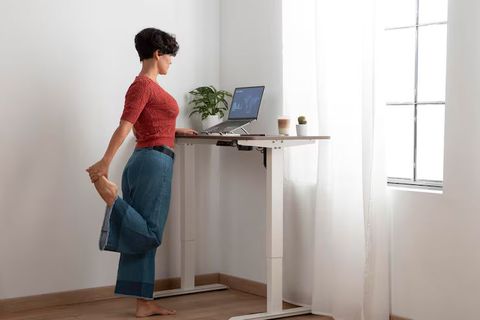
- Wall-mounted desks that fold away
These options help reduce the need for extra furniture, keeping the space uncluttered and efficient.
Space-Saving Furniture Types and Uses
Choosing the right type of furniture can significantly impact how a small space functions. Some designs are specifically created to minimize footprint while maximizing usability.
Common space-saving furniture options
| Furniture Type | Key Feature | Best Use Case |
|---|---|---|
| Foldable tables | Can be stored when not in use | Dining or work areas |
| Wall-mounted shelves | Utilize vertical space | Storage and display |
| Nesting tables | Stackable and compact | Living rooms |
| Murphy beds | Fold into the wall | Studio apartments |
| Modular sofas | Adjustable configurations | Flexible seating |
These furniture types help maintain a balance between functionality and space efficiency.
Vertical Storage Solutions
When floor space is limited, vertical storage becomes essential. Walls offer untapped potential that can be used for organizing and decorating without crowding the room.
Installing shelves, cabinets, or hooks can free up valuable floor area while keeping items easily accessible.
Ideas for vertical storage
- Floor-to-ceiling shelving units
- Wall-mounted cabinets in kitchens and bathrooms
- Hanging organizers behind doors
- Pegboards for tools or accessories
- Tall wardrobes instead of wide ones
Using vertical storage not only increases capacity but also draws the eye upward, making the room appear larger.
Compact Furniture Layout Strategies
Arranging furniture properly is just as important as choosing the right pieces. A well-planned layout can make a small space feel more open and functional.
Avoid placing large furniture in the center of the room. Instead, position items along walls and corners to create a clear pathway.
Layout tips for small spaces
- Keep pathways clear and unobstructed
- Use corner spaces effectively
- Avoid oversized furniture
- Maintain balance and symmetry
- Leave some empty space to reduce visual clutter
A thoughtful layout enhances movement and ensures that every piece of furniture serves its purpose without overwhelming the room.
Transformable and Modular Designs
Transformable furniture adapts to different needs throughout the day. Modular designs, on the other hand, allow you to rearrange components based on your requirements.
These options are especially useful for people who need flexibility in their living spaces.
Examples of transformable furniture
- Extendable dining tables
- Modular shelving systems
- Convertible desks
- Stackable chairs
- Expandable wardrobes
Such designs provide adaptability, making it easier to adjust your space for different activities.
Smart Storage Furniture Ideas
Storage is one of the biggest challenges in small spaces. Choosing furniture with built-in storage can help keep belongings organized without adding extra cabinets or shelves.
Hidden storage solutions are particularly effective in maintaining a clean and minimal look.
Storage-focused furniture options
- Beds with under-storage compartments
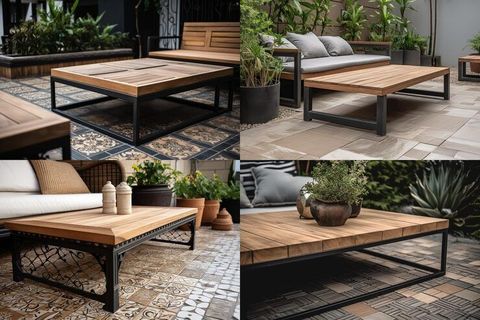
- Coffee tables with drawers
- Benches with storage space inside
- TV units with cabinets
- Storage ladders for small items
These ideas help you store essentials discreetly while keeping the room tidy.
Choosing the Right Materials and Colors
The choice of materials and colors can influence how spacious a room feels. Light colors and reflective surfaces tend to make spaces appear larger, while dark tones can make them feel more compact.
Furniture with sleek designs and minimal detailing works best in small spaces.
Tips for selecting materials and colors
- Use light shades like white, beige, or pastel tones
- Opt for glass or mirrored surfaces to reflect light
- Choose furniture with slim legs for an airy look
- Avoid bulky and heavy designs
- Keep color schemes consistent for visual harmony
A cohesive color palette enhances the overall appearance and creates a sense of openness.
Minimalist Approach to Furniture Selection
Minimalism plays a key role in small space living. Instead of filling the room with unnecessary items, focus on essentials that add value and functionality.
Keeping fewer but more useful pieces can make a significant difference in how the space feels.
Minimalist furniture guidelines
- Select only what you truly need
- Avoid duplicate furniture pieces
- Keep surfaces clean and uncluttered
- Choose simple and practical designs
- Focus on quality and durability
This approach helps maintain a clean, organized, and stress-free environment.
Creative Ideas for Different Rooms
Every room in a home has unique requirements. Applying small space furniture ideas creatively can improve functionality across different areas.
Living room ideas
- Use a compact sofa with storage
- Add nesting tables instead of a large coffee table
- Install wall-mounted shelves for decor
Bedroom ideas
- Choose a bed with storage drawers
- Use bedside wall shelves instead of tables
- Opt for sliding door wardrobes
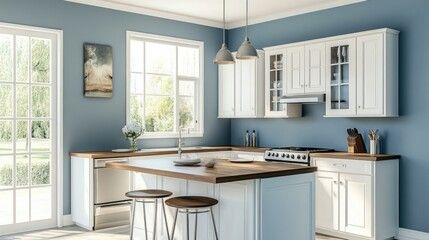
Kitchen ideas
- Install foldable countertops
- Use wall racks for utensils
- Choose stackable storage containers
Workspace ideas
- Use a foldable desk
- Install wall-mounted organizers
- Choose a compact ergonomic chair
Adapting furniture to each room’s needs ensures maximum efficiency throughout the home.
Benefits of Small Space Furniture
Investing in space-saving furniture offers several advantages beyond just saving room.
Key benefits
- Improves organization and reduces clutter
- Enhances functionality of limited areas
- Creates a more open and breathable environment
- Supports flexible and adaptable living
- Encourages mindful consumption and minimalism
These benefits contribute to a more comfortable and efficient lifestyle.
Common Mistakes to Avoid
While designing a small space, certain mistakes can make the area feel cramped and disorganized.
Mistakes to watch out for
- Overcrowding with too much furniture
- Ignoring vertical storage opportunities
- Choosing bulky or oversized items
- Lack of proper layout planning
- Using too many contrasting colors
Avoiding these errors can help maintain a balanced and visually appealing space.
Conclusion
Small space furniture ideas are all about smart choices and creative thinking. By focusing on multi-functional designs, efficient layouts, and practical storage solutions, you can transform even the smallest area into a comfortable and stylish living space.
Smart living is not about having more space but about using the available space wisely. With the right approach, compact homes can be just as functional and inviting as larger ones.