Small Home Furniture Planning Basics: Maximize Every Corner
Living in a small home does not mean compromising comfort or style. With thoughtful planning, even limited square footage can feel spacious, functional, and visually appealing. The key lies in understanding how to use furniture strategically so that every corner serves a purpose without creating clutter.
Every inch matters when arranging little rooms. Function meets look, yet flow stays key. A cozy lounge, snug sleeping spot, or busy cooking corner - all shift with smarter layouts. Thoughtful choices change both comfort and use.
Start by measuring the room, not dreaming about pieces. Too many buy chairs or tables before checking size, then squeeze everything in somehow. Space shapes how you live - ignore that, and movement gets tight.
Take out your tape measure first thing - room by room. Jot down wall lengths, then door frames, window openings follow after. Corners tend to sit empty. Narrow slivers between fixtures get missed too. Small spaces give back more when those overlooked zones pull their weight.
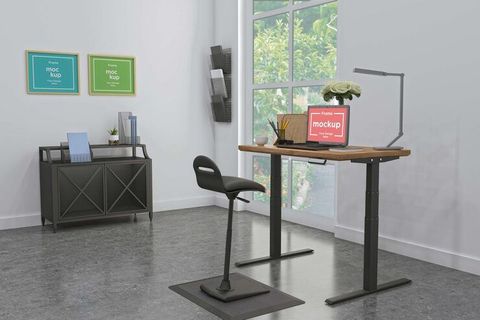
Picture your usual day. Take working remotely - say, a homemade little desk tucked into a spare corner keeps things out of the way. Then again, imagine a slim kitchen island doubling as prep area plus meal spot. Each piece earns its place by doing more than one job.
Picture how people move through the space. Walkways matter - keep gaps between furnishings wide enough to pass without squeezing. Just a bit more room here changes how the place feels.
Smart Furniture Picks for Small Spaces
A well-placed sofa might also store blankets underneath. Picking pieces that pull double duty helps when room is tight.
Here Are Some Practical Ideas to Consider
- Beds that hide space underneath them. Tables you can tuck away when done. Pieces built to do more than one job without taking up extra room
- Wall-mounted shelves to reduce floor usage
- When they’re not needed, one slips inside another. These tables fit together like puzzle pieces after folding down. Space stays clear because each unit tucks into the next. Stacking happens fast since edges guide them into place. Stored tight, they take up almost no room at all
- Compact seating like stools or benches instead of bulky sofas
What size furniture you pick affects a room’s vibe as much as what it does. Too big pieces take over, shrinking how the space feels. Choose narrow styles with straight edges - they help the eye move through instead of blocking it.
Designing a Kitchen and Dining Space That Works
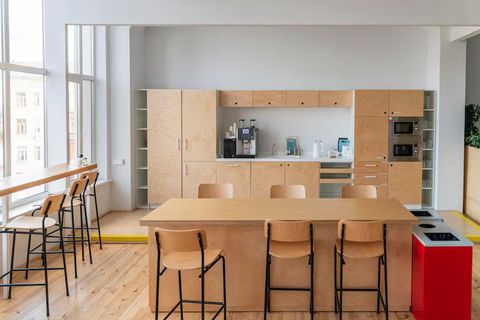
Out here, kitchens in tiny houses usually bring trouble. Without much room, fitting in spots for meals along with cooking feels tight. That’s when an island with space to eat steps into play.
One small island fits many tasks at once. Sometimes it works for chopping food, sometimes people eat right on top of it. Hidden spots below hold things neatly out of sight when built with pull-out sections or open ledges. Space under the counter turns useful without taking up more room.
Right there - where you put the island matters more than most think. It should sit so folks can move freely from stove to sink to fridge without squeezing past. When that path stays open, everything just works smoother, feels better too.
White walls bounce light around. That opens up tight spaces, giving rooms more air. Mirrors on cabinets do similar work - spreading brightness where shadows sit.
Small Space Bedroom Design
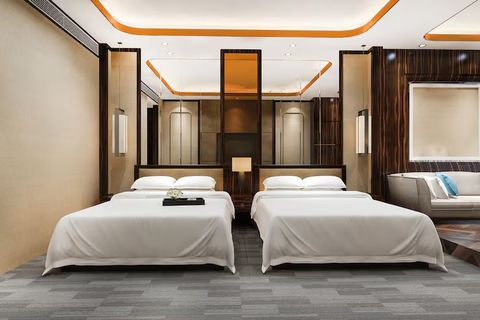
A tidy sleeping area made for tight spots leans on clean lines plus clever places to stash things. Its purpose? Calm vibes minus clutter buildup.
Most space goes to the bed, so begin there. A frame with drawers underneath saves room, while a low platform cuts clutter. Skip extra cabinets when the base holds what you need.
Up high is where you want to look. Shelves stuck to the wall hold things while leaving ground space open. Tall cabinets do the job just fine. Seeing more of the floor makes the room seem calmer somehow.
How light fills the room matters just as much. Ditch the wide lamps next to your bed - try fixtures attached to the wall instead. They take up less room while quietly updating the look.
Open sunlight bounces off glass, stretching walls beyond their edges. A well-placed pane across from daylight widens tight corners through quiet tricks of sight.
Making Use of Corners and Hidden Spaces
Hidden spots where walls meet might seem useless in compact spaces - still, they hold promise. Turn one into a reading nook instead of leaving it bare. A shelf fits neatly there rather than wasting floor room. Storage slides in tight corners much easier than expected. Light bounces oddly in those angles, making them feel larger. Try a tall plant tucked beside a heater. Odd shapes invite odd solutions that work surprisingly well.
Corner desks built at home often work well when space feels tight. Into those forgotten spots they slide, leaving floor area free. Above them, shelves rise quietly - holding books, supplies, whatever fits. Room stays clear. Clutter hides where it belongs.
Books might sit on corner shelves, along with small decorations or things you reach for every day. In spaces like bedrooms or living areas, they fit just right where walls meet.
Under beds, behind doors, or below stairs - odd corners like these often go unnoticed. Yet a bin tucked there, maybe some wall hooks, even a chair that folds flat, brings them to life. Each change turns what was wasted into something ready.
Simple Furniture Projects for Small Living Spaces
Building pieces for your home might just solve a problem while feeling good too. When you make it yourself, the fit follows what that corner of the room actually needs.
A tiny homemade stool brings extra seats without fuss. When you do not need it, just slide it aside or pile it with others. Perfect if your lounge space feels tight. Fits right into corners of kitchens too.
More DIY Projects to Try
- Foldable wall desks that can be tucked away after use
- Storage benches that double as seating
- Floating shelves made from reclaimed wood
- Compact coffee tables with hidden compartments
Furniture made at home usually needs less stuff, yet still fits snug in tight corners. Sometimes odd-shaped rooms work better with pieces built just for them.
Space Planning Comparison
- Built-in benches tuck neatly into corners, saving floor area
- Sofa beds open up rooms by doubling functions without extra bulk
- Ladder shelves climb walls, leaving ground space clear below
- Nesting tables slide together when not in use, shrinking their footprint
- Murphy desks vanish into cabinets, freeing the room after work ends
A kitchen island gives space efficiency plus handles multiple tasks well. Instead of a standard table, try one that fits tight corners for better reach and workspace. Use stools where seating must shift easily between areas like living zones or cooking spots. Beds built with hidden compartments save floor area while offering rest at night. Shelves stuck to walls open up floorspace and fit nearly any location without blocking light.
A well-chosen sofa might leave room to walk. Chairs placed thoughtfully open up corners. A slim cabinet fits where bulky ones won’t. Space breathes when pieces match the room’s flow. What you pick changes how the area feels.
Make Use of All Spaces
Furniture placement matters as much as the pieces you pick. Thoughtful arrangement turns tight spaces into cozy, tidy spots.
Start by thinking about how you use the area. One spot might hold your bed, another your desk - separate but nearby. Picture each activity getting its own corner. A small apartment can still feel organized when uses are split deliberately. Where you rest does not need to mix with where you eat. Distinct spots help the mind tell them apart. Clarity comes simply from naming what happens where.
Place pieces near the perimeter when you can. That clears the floor area, helping people move around easier. Still, do not crowd all items along the borders - leaving nothing inward might leave a hollow vibe at the core.
Patches of light shift across the floor, guiding your eye to one spot over another. Soft fabric underfoot hints at where a space begins, even when walls stay open.
A cluttered room feels heavy. When stuff piles up, tight areas seem even smaller. Choose just the things you truly need. Put away the extras where they vanish from sight.
Smart Choices in Materials and Color
Furniture built from lighter fabrics tends to open up a space. White, beige, or soft tinted finishes bounce light around a room. What sits inside the walls matters more than most think.
See-through stuff such as glass or acrylic works well. These materials fill sightlines but do not feel bulky.
Start with light wood shades when rooms are tight on space. Though rich stains bring coziness, too much depth crowds the eye. Go soft on dark pieces - they shrink walls that already sit close. Balance keeps air in the corners.
A steady hand with design keeps things looking neat. When you carry the same finishes and hues from room to room, it ties everything together. What matters is how one space flows into the next. Choices that repeat - like wood tones or wall shades - make transitions feel natural. The eye moves easier when patterns echo through different areas. Repeating elements quietly guide movement without calling attention. Smooth shifts between spaces happen when details stay familiar. Uniformity isn’t about sameness - it’s about rhythm. How surfaces match up affects overall calm. A hallway that feels like the living area adds comfort.
Balancing Style and Function
Finding harmony between looks and usability makes sense. Even though how something appears counts, what it can do takes priority when room is tight.
Too many decorations clutter a space. Pick just a handful of items that fit the room’s feel instead. A single well-chosen object often speaks louder than several noisy ones.
Most times, furniture that looks plain fits well. Because sharp edges plus few decorations help rooms seem calmer. A quiet look comes through when stuff does not shout for attention. Spaces breathe easier without cluttered shapes taking over.
A few well-placed cushions might bring warmth, while a single piece of art leans quietly against the wall. Space stays open when small objects sit just so, doing their job without shouting.
Common Mistakes to Avoid
Most tiny rooms fight space like a crowded elevator. Spotting typical errors keeps choices smarter down the line.
- Choosing oversized furniture that does not fit the room
- Ignoring vertical space for storage
- Blocking natural light with bulky items
- Overdecorating and creating clutter
- Not considering movement and accessibility
Skipping these errors keeps your area working well, making it a place you can actually enjoy.
Conclusion
Start smart when arranging little rooms - pick pieces that work hard, not just look nice. A spot under the window? That could be a reading nook instead of wasted wall. Choose seating that stores things inside. Slide slim shelves into gaps most ignore. Corners hold chances, if you see them right. Open floor means calm mind. Measure twice, live better once.
A kitchen island that doubles as a dining spot might change how you use your cooking area. Your bedroom could feel larger with smart layout choices made just for tight spots. Try building a tiny desk tucked into an unused corner using simple materials instead of buying one. A homemade stool takes little room yet adds useful seating when needed. Thoughtful steps make cramped areas work better without looking cluttered.