Outdoor Furniture Maintenance Overview: Keep It Looking New
Outdoor furniture adds comfort and charm to any open space, whether it is a garden, balcony, patio, or terrace. However, constant exposure to sunlight, rain, dust, and humidity can gradually affect its appearance and durability. With the right maintenance approach, you can keep your outdoor furniture looking fresh and functional for years.
This guide explores practical tips, materials care, seasonal strategies, and easy routines to help maintain outdoor furniture effectively.
Understanding Different Outdoor Furniture Materials
Outdoor furniture comes in a wide range of materials, and each type requires a slightly different care routine. Knowing the basics helps prevent damage and extends longevity.
Common materials include:
- Wood (teak, eucalyptus, acacia)
- Metal (aluminum, steel, wrought iron)
- Plastic and resin
- Wicker or rattan (natural or synthetic)
- Fabric cushions and upholstery
Wood offers a natural and warm look but needs protection from moisture. Metal furniture is strong but may require rust prevention. Plastic is low maintenance but can fade over time. Wicker adds style but can weaken under harsh weather conditions.
Understanding these differences allows you to choose the right cleaning and care methods.
Regular Cleaning and Basic Care
Routine cleaning is the simplest way to keep outdoor furniture looking new. Dust, dirt, and debris can accumulate quickly and lead to wear if not removed regularly.
Basic cleaning steps include:
- Wipe surfaces weekly with a damp cloth
- Use mild soap and water for deeper cleaning
- Rinse thoroughly to remove residue
- Allow furniture to dry completely before use
Avoid harsh chemicals as they can damage finishes and coatings. For stubborn stains, a soft brush can help without scratching the surface.
Cleaning Frequency Guide
| Material Type | Cleaning Frequency | Recommended Method |
|---|---|---|
| Wood | Every 2–4 weeks | Mild soap, soft cloth |
| Metal | Every 2–3 weeks | Water, gentle cleaner |
| Plastic | Weekly | Soap and sponge |
| Wicker | Weekly | Brush and damp cloth |
| Cushions | As needed | Spot clean or wash covers |
Consistency in cleaning prevents buildup and keeps furniture looking polished.
Protecting Furniture from Weather Damage
Outdoor furniture is constantly exposed to changing weather conditions. Protecting it from extreme elements can significantly extend its lifespan.
Sun exposure can cause fading and drying, especially in wood and plastic. Rain and humidity can lead to mold, rust, or warping.
Here are simple protection tips:
- Use covers during heavy rain or intense sunlight
- Place furniture in shaded areas when possible
- Apply sealants or protective coatings for wood and metal
- Keep cushions indoors during wet conditions
Even small protective measures can make a noticeable difference over time.
Seasonal Protection Strategies
Different seasons require different care routines to maintain outdoor furniture effectively.
Summer Care Tips
- Clean furniture more frequently due to dust and heat
- Use UV-resistant covers or treatments
- Keep cushions shaded to prevent fading
Monsoon and Rainy Season Tips
- Store cushions indoors
- Elevate furniture slightly to avoid water pooling
- Dry surfaces regularly to prevent mold
Winter or Cooler Season Tips
- Cover or store unused furniture
- Clean thoroughly before storage
- Check for rust or damage before next use
Seasonal adjustments ensure furniture stays in good condition throughout the year.
Maintenance Tips for Specific Materials
Each material benefits from targeted care techniques. Following material-specific maintenance ensures better durability and appearance.
Wood Furniture Care
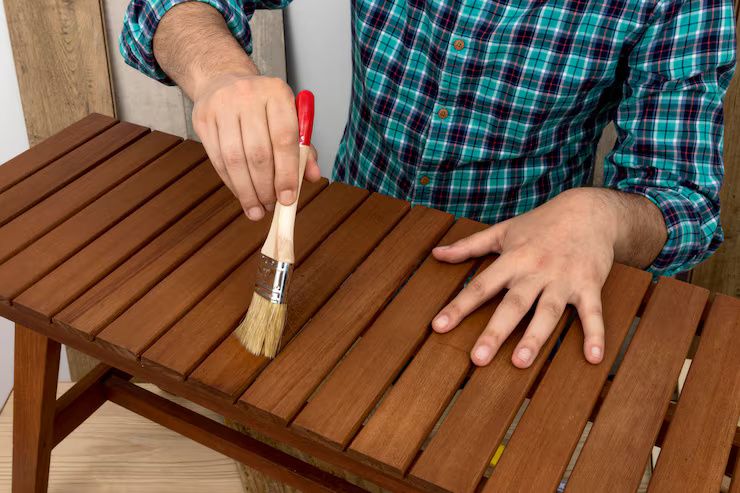
Wood furniture needs occasional oiling or sealing to maintain its natural look. Without proper care, it may crack or fade.
Helpful tips:
- Apply teak or wood oil every few months
- Sand lightly to remove rough patches
- Keep away from standing water
Metal Furniture Care
Metal furniture is durable but can develop rust if not maintained.
Key practices:
- Inspect regularly for scratches or rust spots
- Apply rust-resistant paint or coating
- Keep surfaces dry after rain
Wicker and Rattan Care
Wicker furniture adds texture and elegance but requires gentle handling.
Tips include:
- Clean with a soft brush to remove dust
- Avoid excessive moisture
- Store indoors during harsh weather
Plastic and Resin Furniture Care
Plastic furniture is easy to maintain but prone to fading.
Maintenance tips:
- Clean frequently to avoid discoloration
- Use protective sprays for UV resistance
- Avoid placing heavy objects that may cause warping
Tailoring maintenance to each material ensures better performance and long-term use.
Caring for Cushions and Outdoor Fabrics
Cushions and fabrics enhance comfort but are often the most vulnerable parts of outdoor furniture. Proper care keeps them clean and fresh.
Basic care tips:
- Shake off dust and debris regularly
- Spot clean stains immediately
- Wash removable covers according to instructions
- Allow cushions to dry fully before reuse
To extend lifespan:
- Store cushions indoors when not in use
- Use weather-resistant covers
- Rotate cushions to prevent uneven wear
Preventing Mold and Mildew
Moisture can lead to mold growth, especially in humid conditions.
Preventive steps include:
- Ensure proper ventilation
- Dry cushions thoroughly after rain
- Use anti-mold sprays if needed
Clean fabrics not only look better but also contribute to a healthier outdoor environment.
Storage and Long-Term Maintenance
Proper storage plays a major role in maintaining outdoor furniture, especially during periods of non-use. Long-term care helps preserve both appearance and structure.
Storage tips:
- Clean furniture thoroughly before storing
- Use breathable covers to prevent moisture buildup
- Store in a dry and shaded area
- Disassemble large items if needed to save space
Avoid stacking furniture improperly, as it may lead to scratches or damage.
Inspection and Repair
Regular inspection helps identify small issues before they become major problems.
Look for:
- Loose screws or joints
- Cracks in wood
- Rust on metal surfaces
- Fading or fabric wear
Simple repairs can be done early to maintain functionality and safety.
Eco-Friendly Maintenance Practices
Maintaining outdoor furniture can also be environmentally conscious. Using sustainable methods reduces impact while keeping furniture in good condition.
Eco-friendly tips:
- Use natural cleaning solutions like vinegar and water
- Repurpose old fabrics or cushions
- Choose durable materials that last longer
- Avoid excessive chemical treatments
Sustainable practices support both long-term use and environmental responsibility.
Common Mistakes to Avoid
Even with good intentions, certain mistakes can reduce the lifespan of outdoor furniture.
Avoid these common issues:
- Using harsh chemicals that damage surfaces
- Leaving furniture uncovered during extreme weather
- Ignoring small repairs
- Storing furniture while still damp
- Overexposing materials to direct sunlight
Being mindful of these mistakes helps maintain quality and appearance over time.
Conclusion
Outdoor furniture maintenance does not have to be complicated. With regular cleaning, proper protection, and material-specific care, you can keep your furniture looking new and inviting throughout the year.
Simple habits like covering furniture, cleaning regularly, and storing it correctly can make a significant difference. By understanding the needs of different materials and adapting to seasonal changes, your outdoor space can remain comfortable, stylish, and long-lasting.
Consistent care ensures that your outdoor furniture continues to enhance your space while maintaining its durability and visual appeal.