Minimalist Office Furniture Suggestions for Stylish Workspaces
A well-designed workspace can influence focus, comfort, and overall productivity. Minimalist office furniture has become a popular approach because it removes unnecessary clutter while highlighting clean lines and purposeful design. Instead of filling a room with bulky items, this style emphasizes simplicity, functionality, and thoughtful organization.
Start with what matters. A clean desk isn’t empty just to be empty - it holds only what earns its place. Think function first, but never lose the quiet comfort of open surfaces. At home or among coworkers, simplicity reshapes air and light. Choose each chair, shelf, lamp - only when they do real work. Space breathes easier once clutter fades without drama.
A quiet desk clears mental clutter, too. Because fewer objects sit nearby, thoughts tend to stay focused more easily. Where attention matters - like problem-solving or designing - this setup helps quite a bit.
Lightness defines most minimalist pieces. Because they weigh less, shifting them around feels natural. Modular designs click together differently whenever you like. Rooms of any size fit this kind of layout well. When life shifts direction, so can your space - without hassle.
Out of simplicity grows a space that feels clean, almost quiet. Where color stays soft and materials move smoothly under light, there’s little to distract. Surfaces speak in whispers rather than shouts. Time passes without demanding change. This kind of room ages like something never in a rush.
Core Principles of Minimalist Desk Design
A clean desk starts with just what matters. Not because less looks better but because each piece earns its place. Stuff that does nothing? Gone. What stays must do something real. Space clears when only useful things remain. Simplicity here isn’t style - it’s function winning.
Start with clear space up top. Not saying everything goes away, just keep what you actually need in sight. Like having a computer, something to write in, maybe light overhead - that covers most tasks fine. Finish by leaving room to think.
Surfaces matter just as much. Take wood, for example - it brings warmth, while metal adds subtle sharpness, yet glass keeps things open. White shows up often, sure, but beige slips in quietly, grey holds balance, whereas black grounds the whole look.
A tidy space starts with out of sight solutions. Minimalist desks tend to hide things away using closed drawers rather than displaying clutter on shelves. Compact organizers slip into tight spots instead of sitting in view.
Minimalist Desk Ideas for Different Spaces
A small workspace might work better when stripped down. Think about how you move through tasks each day instead of just what fits inside four walls. What matters most? How everything flows together without clutter getting in the way.
When room size is tight, desks that hang on walls work well. Space stays clear beneath them, making areas seem larger. Instead of fixed models, some choose ones that fold away after use. These tuck neatly against the wall once closed.
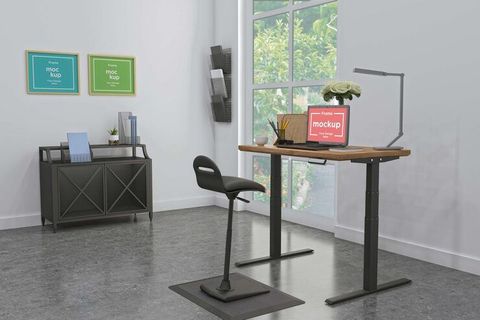
A spacious room might need just a clean-lined rectangle of a desk, set close to the window. Light spills in, lifting how you feel and work. That setup works best with a chair - solid support without fuss, fitting right into the quiet look.
Some folks find corner desks work well when they want extra workspace but don’t wish to fill up the room. A clean look helps keep things from feeling closed in.
Minimal Desk Setup Ideas for Better Organization
A clean desk isn’t only what you see on the surface. What matters more is how it fits the way you actually work.
A tangle of wires often ruins clean setups. From cluttering your view to catching dust, stray cords add hassle without warning. Tidy them up using small holders tucked along edges - neatness appears almost by accident. Hidden paths behind furniture do the rest, quietly guiding mess out of mind.
A well-placed glow makes tasks easier when it stays out of the way. Overhead shine that bends to your needs fits tight spots while still doing its job.
A tidy workspace starts with what you don’t see. Shifting notes and files into digital spaces clears tabletops without removing usefulness. Screens hold what paper used to. Less mess under the eyes keeps attention sharper.
Smart Storage Solutions
Besides just holding things, storage shapes how calm a space feels. Yet it should never draw attention to itself. What matters most? Everything has a place - just out of sight.
Some Effective Storage Ideas Include
- Smooth drawer fronts sit low beneath unobtrusive pulls. A quiet look comes through flat surfaces without shine. Minimal hardware keeps things calm. These pieces favor function but still feel soft. Plain edges meet tight corners in balanced form
- Floating shelves with limited decorative items
- Under-desk storage for files and essentials
- Compact organizers for stationery
From clutter-free desks to handy access, these choices keep tools close without mess. Nearby gear stays organized thanks to smart storage setups that fit right where you work.
Choosing the Right Materials and Colors
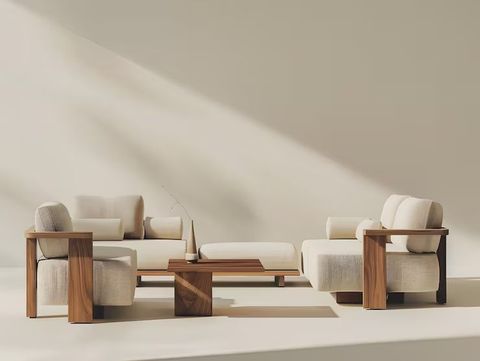
Wood grain sneaks warmth into spaces that might otherwise feel too bare. A single shade repeated across surfaces ties everything together, quietly. Cold metals bring sharp contrast when balanced with softer tones nearby. Simplicity shows up not by accident but through careful choices. Neutral backdrops let one bold piece stand out without chaos. The eye settles where color appears sparingly. Surfaces reflect light differently depending on their finish. Quiet textures suggest calm without demanding attention. One material carried throughout links each object like a quiet thread. Pale floors make ceilings seem higher than they are.
Warmth comes through when wood is around, bringing nature indoors. A lighter shade might lift the mood of a room, whereas something deeper tends to anchor it quietly. Sometimes brightness follows pale grains; other times, depth wins with richer hues.
Shiny surfaces catch daylight like mirrors do. When metal meets glass, the room feels wider without trying too hard.
Start with just a few colors. Though neutral tones cover most of a minimal space, tiny hints show up in little decor pieces or greenery placed here and there.
Comparison of Common Minimalist Desk Styles
Below is a simple comparison of popular minimalist desk styles and their features:
Up high on the wall, this desk saves space while keeping things neat. A floating design slips quietly into tight spots, bringing a crisp now-feel. Warm wood grain brings softness, fitting right into calm corners of living areas. Built tough with metal bones, it stands firm in stripped-down industrial zones. See-through glass spreads light around, lifting bright wide-open places.
Picture how this fits your space, given what matters in layout and look. Whether function drives form or color shapes purpose - see where it lands.
Minimalist Office Furniture Ideas Beyond the Desk
A clean space needs more than just a table to feel right. Everything else around it ought to echo that simplicity too.
Start with chairs that shape well to the body but look uncluttered. Skip anything too heavy on the eyes; go instead for smooth, clear edges. A sleek frame works best when it does its job without drawing attention.
Start with empty space. A single vase might matter more than clutter. Less shows up better when shelves breathe. Choose one book, maybe two. Open areas speak louder than packed corners. Simple shapes stand out if they have room. Leave gaps between things. What you skip tells a story too.
From floor to ceiling, storage cabinets ought to match the room's look. Smooth fronts paired with calm shades keep things feeling unified. A sense of flow comes easier when details align without shouting.
A touch of green might just fit right in, even here. Though simple, life finds a way to settle quietly among clean lines. One leaf at a time, the air feels different. Not louder - just fuller.
How to Maintain a Minimalist Workspace
A clean workspace starts with a single choice, yet keeping it that way takes daily attention. Mess creeps back in when habits slip.
Every now and then, take a look around where you work. Get rid of things sitting there unused or forgotten. A spot stays useful when clutter doesn’t pile up.
Start by clearing your space when the day winds down. Just a small effort tonight stops mess piling up later.
Start with fewer decorations. Even though they show your style, clutter breaks the calm of minimal design.
A single solid chair beats a room full of wobbly ones. Choose items built to last rather than stacking shelves with clutter.
Balancing Style and Functionality
Just because it’s simple doesn’t mean you give up coziness or function. Style at your desk isn’t an excuse to ignore what you actually use every day.
A well-placed desk meets your body right where it needs to. Sitting just so keeps strain away, especially when less is more around you.
Start by thinking about how you work each day. When different gadgets or supplies come into play, set them up so they stay within reach but don’t clutter the surface. Position items where they belong naturally - close enough to grab without stretching, yet spaced out so nothing feels crowded. A clear space often means fewer distractions later on.
A small detail might stay. Perhaps a painting, maybe a journal - these bring life, yet leave room to breathe. Even a quiet green thing helps define the place.
Common Mistakes to Avoid
Though minimal office furnishings sound straightforward, little errors often sneak in and spoil the effect.
Too much taken away leaves a hollow spot. Coldness sneaks into spaces that lack warmth. A room breathes when pieces remain. Equilibrium shapes how it feels.
Piled-up stuff often starts with weak organization choices. When space isn’t thought through, odds are things will spread across the surface soon after.
Comfort matters just as much. Even sleek designs need to handle extended work sessions without leaving you sore.
Whatever you do, mismatched details throw off the whole vibe. Go with one clear direction, keep colors working together.
Conclusion
A calm desk setup begins with pieces that do little but matter much. Choose chairs and shelves that stay out of the way while doing their job well. Open space often works harder than crowded corners. Smooth surfaces collect less clutter by accident. Neutral tones help eyes rest instead of race around. Function follows form when every item earns its spot. Less deciding about what to keep means more time doing actual work. Comfort sneaks in when everything has a quiet purpose.
A clean desk shape begins with fewer things on it. When choosing what stays, pick each piece like it has to earn its place. Some people start fresh when they change how their work corner looks. The best setups mix function with quiet taste. A space can feel open even if small, just by leaving room between objects. What matters most is how well everything works together.