Introduction to Metal Furniture: Key Concepts and Information
Metal furniture has become a widely recognized choice in modern interiors due to its durability, versatility, and sleek appearance. From homes to offices and outdoor spaces, metal furniture fits seamlessly into various design styles while offering long-term performance.
Understanding the basics of metal furniture helps users make informed decisions about design, maintenance, and usability. This guide explores key concepts, materials, types, and practical insights to help you learn more about metal furniture.
What is Metal Furniture?
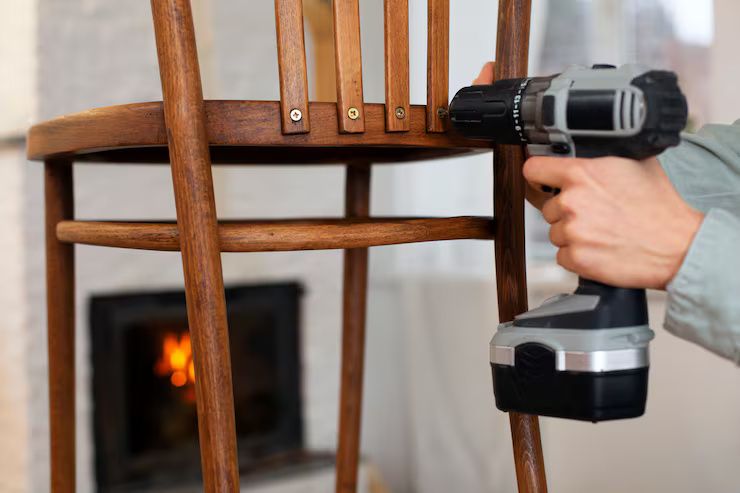
Metal furniture refers to furniture pieces made primarily from metals such as steel, aluminum, iron, or alloys. These materials are used to create frames, structures, and sometimes entire furniture pieces.
Metal furniture is known for its strength and resistance to wear and tear. It is commonly used for chairs, tables, beds, cabinets, and outdoor setups. The material allows for both industrial and contemporary designs.
Unlike wood or plastic, metal furniture offers a distinct combination of rigidity and flexibility in design. It can be molded, welded, or shaped into intricate patterns or minimal structures.
Types of Metals Used in Furniture
Different metals offer unique properties that influence the look, strength, and maintenance of furniture. Choosing the right type depends on usage and environment.
Common Metals and Their Characteristics
| Metal Type | Key Features | Common Uses |
|---|---|---|
| Steel | Strong, durable, heavy | Office desks, frames, storage units |
| Aluminum | Lightweight, rust-resistant | Outdoor furniture, folding chairs |
| Iron | Heavy, classic appearance | Garden furniture, decorative pieces |
| Stainless Steel | Corrosion-resistant, sleek | Modern interiors, kitchen furniture |
Each metal has its advantages and limitations. For example, aluminum is easy to move, while steel offers maximum strength. Stainless steel is often preferred in environments exposed to moisture.
Coatings and Finishes
Metal furniture is often treated with coatings to enhance durability and aesthetics. These finishes protect against rust and scratches while adding visual appeal.
Common finishes include:
- Powder coating for a smooth and durable surface
- Paint coating for color variety
- Polished or brushed finishes for a modern look
- Galvanization for corrosion resistance
These treatments extend the life of furniture and make it suitable for both indoor and outdoor use.
Advantages of Metal Furniture
Metal furniture offers several benefits that make it a practical choice across different environments. Its reliability and design flexibility are key factors in its popularity.
Key Benefits
- High durability and long lifespan
- Resistance to pests such as termites
- Minimal maintenance requirements
- Ability to support heavy weight
- Suitable for both indoor and outdoor settings
Metal furniture is less likely to crack, warp, or break compared to wooden alternatives. This makes it ideal for long-term use.
It also provides a clean and modern appearance that aligns well with contemporary interior trends.
Design Styles and Applications
Metal furniture is highly adaptable and can complement a wide range of design styles. Its ability to blend with other materials makes it versatile.
Popular Design Styles
- Industrial style with exposed metal frames
- Modern minimalism with sleek lines
- Rustic designs combining metal and wood
- Contemporary styles with polished finishes
Metal furniture can be used in various settings, including:
- Living rooms for coffee tables and shelving units
- Offices for desks and filing cabinets
- Outdoor areas for garden seating
- Kitchens for stools and storage racks
The flexibility of metal allows designers to experiment with shapes and combinations, creating both functional and aesthetic pieces.
Combination with Other Materials
Metal is often paired with materials like wood, glass, or fabric. This combination enhances both comfort and visual appeal.
For example:
- Metal frames with wooden tops for tables
- Metal chairs with fabric cushions
- Glass surfaces supported by metal structures
These combinations balance strength with comfort and style.
Maintenance and Care Tips
Metal furniture is relatively easy to maintain, but proper care ensures longevity and appearance. Regular cleaning and preventive measures help maintain its condition.
Basic Maintenance Tips
- Clean with a soft cloth and mild detergent
- Avoid abrasive cleaners that can damage finishes
- Keep furniture dry to prevent rust formation
- Use protective pads to avoid scratches on floors
For outdoor furniture, periodic inspection is important. Applying protective coatings can help maintain resistance to weather conditions.
If rust appears, it can often be removed with simple cleaning techniques and refinishing.
Environmental and Sustainability Aspects
Metal furniture is often considered an environmentally friendly option due to its recyclability. Many metals can be reused without losing their properties.
Sustainability Benefits
- Recyclable materials reduce waste
- Long lifespan reduces replacement frequency
- Minimal resource consumption compared to some alternatives
Using recycled metal in furniture production helps conserve natural resources. This makes metal furniture a more sustainable choice in many cases.
Additionally, durable furniture reduces the need for frequent replacements, contributing to lower environmental impact over time.
Factors to Consider When Choosing Metal Furniture
Selecting the right metal furniture involves understanding your specific needs and environment. Several factors influence the decision.
Important Considerations
- Purpose and usage of the furniture
- Indoor or outdoor placement
- Weight and portability requirements
- Design compatibility with existing decor
- Maintenance preferences
For example, lightweight aluminum is suitable for outdoor use, while heavy steel is ideal for office furniture. Matching the material with its intended use ensures better performance.
It is also important to consider comfort, especially for seating furniture. Adding cushions or ergonomic designs can enhance usability.
Common Myths About Metal Furniture
There are several misconceptions about metal furniture that may influence decisions. Understanding the facts helps clarify its true benefits.
Myth vs Reality
-
Myth: Metal furniture is uncomfortable
Reality: Comfort depends on design and cushioning -
Myth: Metal furniture always rusts
Reality: Proper coatings prevent rust effectively -
Myth: Metal furniture looks too industrial
Reality: It is available in various styles and finishes -
Myth: Metal furniture is too heavy
Reality: Materials like aluminum are lightweight and easy to move
These clarifications highlight the versatility and practicality of metal furniture.
Future Trends in Metal Furniture
Metal furniture continues to evolve with advancements in design and technology. Modern trends focus on both aesthetics and functionality.
Emerging Trends
- Use of mixed materials for unique designs
- Lightweight and modular structures
- Eco-friendly production methods
- Minimalist and space-saving furniture
Smart design and innovative techniques are shaping the future of metal furniture. These trends aim to meet the needs of modern living spaces.
As urban spaces become more compact, metal furniture offers practical solutions with its sleek and adaptable designs.
Conclusion
Metal furniture stands out as a reliable and versatile option for various environments. Its durability, design flexibility, and low maintenance make it a practical choice for both residential and commercial use.
Understanding the types of metals, finishes, and applications helps users select the right furniture for their needs. With proper care, metal furniture can last for many years while maintaining its appearance.
As design trends continue to evolve, metal furniture remains a key element in modern interiors, offering a balance of functionality and style.