Furniture Upcycling Ideas and Tips for Modern Home Design
Furniture upcycling is a creative and sustainable approach to modern home design. Instead of discarding old or unused pieces, upcycling transforms them into functional and stylish items that suit contemporary spaces. This method not only reduces waste but also adds character and uniqueness to interiors.
In recent years, upcycling has gained attention as people seek environmentally conscious ways to decorate their homes. With a little creativity and basic tools, almost any piece of furniture can be refreshed or completely reinvented..
Understanding Furniture Upcycling
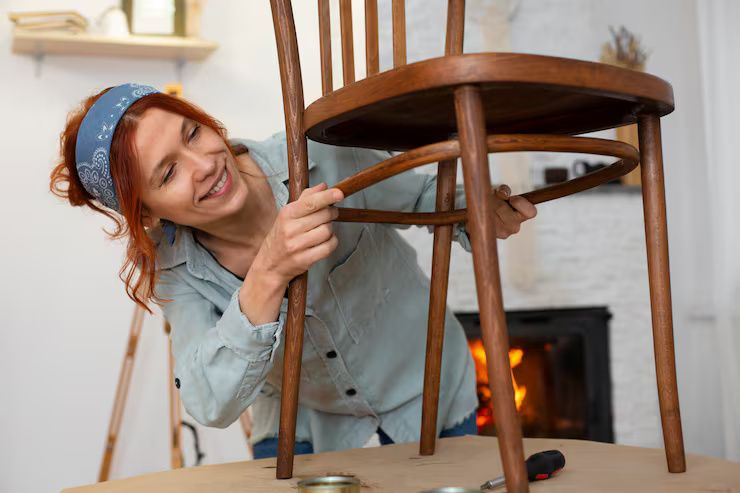
Furniture upcycling involves modifying old furniture to improve its appearance, functionality, or purpose. Unlike simple repairs, upcycling focuses on transformation. It gives a new identity to items that might otherwise be overlooked or discarded.
This process can include repainting, reupholstering, restructuring, or combining materials. The result is often a one-of-a-kind piece that reflects personal style while supporting sustainable living practices.
Why Upcycling Fits Modern Home Design
Modern home design emphasizes simplicity, functionality, and individuality. Upcycled furniture aligns well with these principles by offering unique designs that cannot be mass-produced.
Another key advantage is customization. You can tailor colors, textures, and shapes to match your home’s aesthetic. Whether your style leans toward minimal, industrial, or contemporary, upcycled furniture can seamlessly integrate into your space.
Additionally, upcycling encourages mindful consumption. It promotes the idea of using what you already have instead of constantly replacing items.
Popular Furniture Upcycling Ideas
Upcycling can be as simple or as detailed as you prefer. Here are some creative ideas that work well in modern homes:
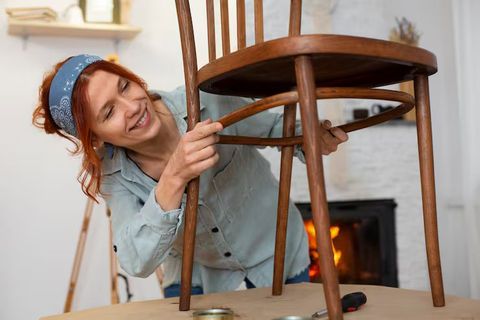
- Transform old wooden chairs with fresh paint and new upholstery
- Convert unused ladders into stylish shelving units
- Repurpose vintage trunks into coffee tables
- Turn wooden crates into modular storage systems
- Redesign old cabinets with modern handles and finishes
These ideas help blend practicality with creativity, making your home both functional and visually appealing.
Creative Painting Techniques
Painting is one of the easiest ways to upcycle furniture. A fresh coat of paint can dramatically change the look of an item and align it with modern design trends.
Consider experimenting with techniques such as color blocking, ombre effects, or matte finishes. Neutral tones like white, grey, and beige are popular in modern interiors, but bold accent colors can also create striking focal points.
Preparation is essential. Sanding and priming ensure the paint adheres properly and lasts longer. Choosing high-quality finishes will also enhance durability and appearance.
Reupholstering for a Fresh Look
Reupholstering is ideal for updating chairs, sofas, and benches. By replacing worn-out fabric with modern materials, you can completely change the feel of a piece.
Opt for fabrics that match your interior theme. For example, linen and cotton work well in minimalist spaces, while velvet can add a touch of elegance.
You can also experiment with patterns to create contrast. However, keeping the design balanced ensures the piece does not overpower the room.
Functional Transformations
Upcycling is not just about appearance; it also improves functionality. Many old furniture pieces can be redesigned to serve new purposes.
For example, a wooden desk can become a bathroom vanity, or an old bookshelf can be converted into a kitchen pantry. These transformations make better use of space and adapt to modern living needs.
Adding wheels, adjustable shelves, or hidden storage compartments can further enhance usability.
Materials and Tools for Upcycling
Having the right materials and tools can make the upcycling process smoother and more effective. Below is a simple table outlining essential items:
| Category | Examples | Purpose |
|---|---|---|
| Basic Tools | Screwdriver, hammer, drill | Disassembling and assembling |
| Surface Prep | Sandpaper, primer | Preparing surfaces for finishing |
| Finishing | Paint, varnish, sealant | Enhancing appearance and durability |
| Upholstery | Fabric, foam, staple gun | Updating seating surfaces |
| Hardware | Handles, knobs, hinges | Adding modern details |
Using proper tools ensures better results and reduces the effort required during the process.
Tips for Successful Furniture Upcycling
Upcycling requires planning and attention to detail. Here are some helpful tips:
- Start with simple projects if you are new to upcycling
- Clean and inspect furniture before beginning
- Choose designs that match your home’s overall style
- Use durable materials for long-lasting results
- Take measurements carefully to avoid mistakes
Patience is important. Rushing through the process can lead to uneven finishes or structural issues.
Blending Upcycled Furniture with Modern Interiors
One challenge people face is integrating upcycled pieces into modern spaces. The key is balance. Avoid overcrowding your home with too many statement items.
Pair upcycled furniture with neutral backgrounds to let it stand out. For example, a brightly painted cabinet can become the focal point in a minimalist room.
Mixing materials such as wood, metal, and glass can also create a harmonious look. Consistency in color palette helps tie everything together.
Sustainable Benefits of Upcycling
Furniture upcycling contributes to environmental sustainability. It reduces the demand for new materials and minimizes waste.
By extending the life of furniture, you lower the environmental impact associated with manufacturing and disposal. This approach supports a more responsible and eco-friendly lifestyle.
Upcycling also encourages creativity and resourcefulness. It shifts the focus from consumption to innovation, which is an important aspect of sustainable living.
Budget-Friendly Design Approach
Upcycling is an effective way to achieve stylish interiors without significant expenses. Instead of investing in new furniture, you can transform existing pieces into modern designs.
This approach allows you to allocate resources to other aspects of home improvement. It also gives you the freedom to experiment without the pressure of high costs.
Over time, these small changes can significantly enhance the overall look and feel of your home.
Common Mistakes to Avoid
While upcycling is rewarding, there are some common mistakes to watch out for:
- Skipping surface preparation, leading to poor finishes
- Using incompatible materials or paints
- Ignoring structural stability
- Overcomplicating designs
- Not allowing enough drying or curing time
Avoiding these mistakes ensures that your projects are both attractive and durable.
Seasonal and Trend-Based Upcycling Ideas
Upcycling can also be adapted to seasonal trends. For example, lighter colors and natural textures work well in warmer months, while darker tones and cozy fabrics suit cooler seasons.
You can update small elements like cushions, covers, or finishes to keep your furniture aligned with changing trends. This flexibility makes upcycling a dynamic and ongoing design practice.
Personalizing Your Space
One of the greatest advantages of upcycling is personalization. Every piece can reflect your taste and creativity.
You can incorporate meaningful elements such as family heirlooms or vintage finds. Adding personal touches makes your home more inviting and unique.
This level of customization is difficult to achieve with standard furniture, making upcycling a valuable approach for modern living.
Final Thoughts
Furniture upcycling offers a practical and creative way to enhance modern home design. It combines sustainability, functionality, and personal expression into a single approach.
By transforming old furniture into stylish pieces, you not only improve your living space but also contribute to a more responsible lifestyle. With the right ideas and techniques, upcycling can become an enjoyable and rewarding part of home design.