Furniture Scratch Repair Insights: Easy Ways to Restore Surfaces
Furniture scratches are a common issue in homes, whether caused by daily use, pets, or accidental bumps. Even small marks can affect the overall look of wooden, laminate, or polished surfaces. The good news is that many scratches can be improved or minimized with simple techniques and everyday materials.
This guide explores practical insights into furniture scratch repair. It focuses on easy, user-friendly methods that help restore surfaces while preserving the original finish.
Understanding Different Types of Furniture Scratches
Not all scratches are the same, and identifying the type is the first step toward choosing the right repair method. Surface-level marks often require minimal effort, while deeper scratches may need more attention.
Light scratches typically affect only the top protective layer. Medium scratches go slightly deeper into the finish, and deep scratches penetrate the wood or material itself. Each type requires a different approach for effective restoration.
Understanding the surface material also matters. Wood, veneer, laminate, and glass finishes all respond differently to repair techniques.
Common Causes of Furniture Scratches
Scratches can occur in many ways, often during normal use. Knowing the causes can help prevent future damage.
- Moving objects across surfaces without protection
- Pet claws or sharp items
- Dust and debris acting like abrasives
- Improper cleaning tools or harsh materials
Simple habits like using coasters, felt pads, and soft cloths can reduce the chances of scratches over time.
Quick Fixes for Light Surface Scratches
Light scratches are the easiest to handle and often require simple household items. These methods can improve appearance without complex steps.
One effective method is using a mixture of olive oil and vinegar. This combination helps nourish the surface and reduce the visibility of minor scratches. Apply it gently with a soft cloth and buff the area.
Another approach involves using a walnut. Rubbing the nut over the scratch allows natural oils to fill in the mark, blending it with the surrounding surface.
Toothpaste can also be helpful for minor marks. A small amount applied with a soft cloth can polish the surface slightly and reduce the appearance of scratches.
Repair Methods for Medium-Level Scratches
Medium scratches require a bit more attention but can still be improved with accessible techniques. These scratches often affect the finish layer more noticeably.
Wood markers or touch-up pens are commonly used to match the color of the furniture. They help blend the scratch with the surrounding area, making it less visible.
Wax sticks or filler crayons can also be used. These are applied directly into the scratch and then smoothed out to match the surface.
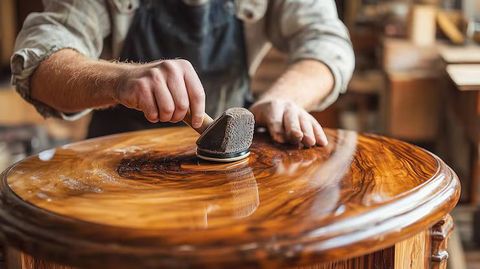
Sanding lightly with fine-grit sandpaper followed by polishing can help even out the area. This method should be done carefully to avoid removing too much finish.
Dealing with Deep Scratches
Deep scratches require more effort, as they may expose the underlying material. These repairs focus on filling and restoring the damaged area.
Wood fillers are often used to fill deep grooves. Once applied and dried, the area can be sanded and refinished to match the original surface.
For darker furniture, stain matching becomes important. Applying a matching stain after filling helps blend the repair seamlessly.
In some cases, applying a fresh coat of polish or finish can improve the overall appearance of the furniture, making the repair less noticeable.
Comparison of Scratch Repair Methods
Below is a simple table that outlines common repair methods and their best use cases:
| Scratch Type | Recommended Method | Materials Needed | Difficulty Level |
|---|---|---|---|
| Light | Oil and vinegar mix | Soft cloth, oil, vinegar | Easy |
| Light | Walnut rubbing | Walnut | Easy |
| Medium | Touch-up marker | Color-matching marker | Easy |
| Medium | Wax filler | Wax stick, cloth | Moderate |
| Deep | Wood filler and sanding | Filler, sandpaper | Moderate |
| Deep | Stain and refinishing | Wood stain, brush | Advanced |
This table helps in quickly identifying the right approach based on the severity of the scratch.
Choosing the Right Tools and Materials
Selecting appropriate tools plays a key role in achieving better results. Using the wrong materials can worsen the damage instead of fixing it.
Soft microfiber cloths are ideal for applying solutions and polishing surfaces. Fine-grit sandpaper is useful for smoothing scratches without causing further damage.
Color-matching products such as markers or fillers should closely resemble the furniture’s original tone. Testing on a hidden area first is always a good idea.
Avoid using rough scrubbing pads or strong chemicals, as they can damage the finish further.
Preventive Measures to Protect Furniture
Preventing scratches is often easier than repairing them. Simple precautions can extend the life and appearance of furniture.
- Use protective pads under heavy objects
- Clean surfaces regularly to remove dust particles
- Avoid dragging items across furniture
- Place covers or runners on frequently used surfaces
Regular maintenance helps keep furniture looking new and reduces the need for repairs.
Natural Remedies vs Commercial Products
Both natural remedies and ready-made products have their advantages. Choosing between them depends on the type of scratch and personal preference.
Natural remedies like oils and nuts are simple and accessible. They work well for light scratches and require minimal effort.
Commercial products such as markers and fillers offer more precision. They are especially useful for deeper scratches or color matching.
When to Use Natural Methods
Natural solutions are best suited for minor surface marks. They are easy to apply and generally safe for most finishes.
They also provide a quick way to improve appearance without requiring specialized tools.
When to Use Specialized Products
Specialized products are more effective for noticeable damage. They provide better coverage and longer-lasting results.
For furniture with unique finishes or colors, these products help achieve a closer match and smoother repair.
Step-by-Step Guide for Basic Scratch Repair
Following a simple process can make scratch repair more effective and consistent.
- Clean the surface thoroughly to remove dust and debris
- Identify the depth of the scratch
- Choose an appropriate repair method
- Apply the solution or filler carefully
- Buff or polish the area for a smooth finish
Taking time to follow each step improves the final result and ensures the repair blends well with the rest of the surface.
Mistakes to Avoid During Repair
Common mistakes can reduce the effectiveness of scratch repair or even cause more damage.
Avoid using excessive pressure while sanding or rubbing. This can enlarge the scratch instead of fixing it.
Do not skip cleaning the surface before repair. Dirt can interfere with the process and lead to uneven results.
Using mismatched colors or finishes can make the scratch more noticeable. Always test products before applying them fully.
Long-Term Care for Restored Furniture
Once scratches are repaired, maintaining the surface is important to keep it looking good over time. Regular care helps preserve the finish and prevents new damage.
Dusting frequently with a soft cloth prevents buildup that can lead to micro-scratches. Occasional polishing can also enhance the appearance and add a protective layer.
Keeping furniture away from direct sunlight and moisture helps maintain its condition. Environmental factors can affect the finish and make surfaces more prone to damage.
Conclusion
Furniture scratches are a common but manageable issue. With the right understanding and simple techniques, it is possible to restore surfaces effectively.
From light touch-ups using natural remedies to more detailed repairs for deeper scratches, there are solutions for every situation. Choosing the right method based on the type of scratch ensures better results.
Consistent care and preventive measures can reduce the chances of future damage. By following these insights, furniture can maintain its appearance and remain a valuable part of any space.