Furniture Polishing Tips and Techniques for Better Results
Furniture polishing is more than just a cleaning task. It helps preserve the beauty, durability, and value of your furniture over time. Whether you are maintaining wooden tables, cabinets, or leather sofas, the right approach to furniture polishing can make a noticeable difference in both appearance and longevity.
Understanding the correct methods, materials, and frequency ensures that your furniture remains smooth, shiny, and protected from daily wear. This guide covers practical furniture polishing tips and techniques that are easy to follow and effective for long-term results.
Understanding Furniture Polishing Basics
Furniture polishing involves applying a protective layer that enhances shine and shields surfaces from damage. Different materials require different types of polish, such as wood polish, furniture wax polish, or leather conditioners.
Wooden furniture benefits from polishing because it prevents drying, cracking, and fading. Leather surfaces, on the other hand, need specialized care to maintain softness and prevent peeling.
Regular polishing also helps reduce dust accumulation. When done correctly, it creates a smooth surface that resists dirt and improves the overall look of your home.
Types of Furniture Polish and Their Uses
Choosing the right polish is essential for achieving the best results. Each type serves a different purpose and works best on specific materials.
| Type of Polish | Best Use | Benefits | Notes |
|---|---|---|---|
| Wood polish | Wooden tables, cabinets | Enhances shine, protects grain | Use sparingly |
| Furniture wax polish | Antique or solid wood | Deep shine, long-lasting finish | Requires buffing |
| Water-based polish | Modern furniture | Light protection, low residue | Quick drying |
| Eco friendly furniture polish | All surfaces | Safe ingredients, mild scent | Ideal for indoor use |
| Leather polish | Sofas and chairs | Keeps leather soft and shiny | Avoid overuse |
Using the right product ensures better results and prevents surface damage.
Preparing Furniture Before Polishing
Before applying any polish, proper preparation is necessary. Skipping this step can lead to uneven results or trapped dirt.
Start by dusting the surface thoroughly using a soft, dry cloth. This removes loose particles that can scratch the furniture during polishing. For stubborn dirt, use a slightly damp cloth and let the surface dry completely before applying polish.
Avoid using harsh cleaners, as they can strip away the natural finish. Gentle cleaning ensures that the polish adheres properly and enhances the natural texture.
Techniques for Effective Wood Polishing
Polishing wood requires a careful approach to maintain its natural grain and texture. Applying too much polish can create a sticky surface, while too little may not provide enough protection.
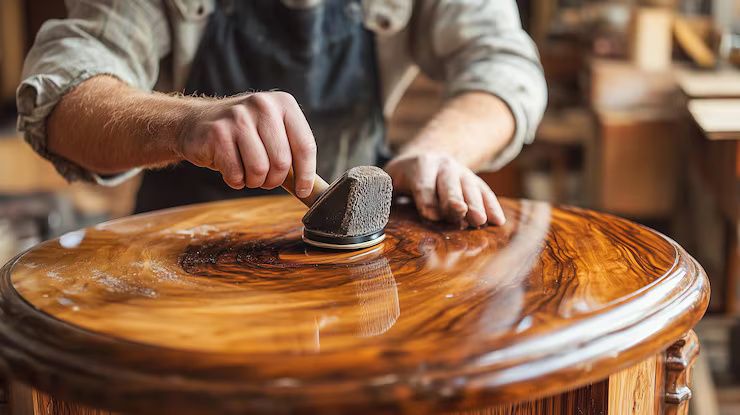
Use a soft cloth and apply a small amount of wood polish. Spread it evenly following the direction of the grain. This technique helps maintain the natural pattern and prevents streaks.
After application, allow the polish to settle for a few minutes. Then buff the surface using a clean, dry cloth. This step enhances shine and ensures a smooth finish.
Common mistakes to avoid
- applying excessive polish, which leads to buildup
- polishing against the grain, causing uneven texture
- skipping the buffing step, reducing shine
- using rough cloths that may scratch surfaces
Consistency and gentle handling are key to achieving a professional finish.
Using Furniture Wax for Deep Shine
Furniture wax polish is ideal for those looking for a richer, more traditional finish. It provides a deeper shine compared to regular polish and adds a protective layer.
Apply wax in small amounts using a soft cloth. Work it into the surface in circular motions. Allow it to dry slightly before buffing with a clean cloth.
Wax polishing is particularly useful for antique furniture. It enhances the natural color and provides long-lasting protection against moisture and minor scratches.
Leather Furniture Polishing Tips
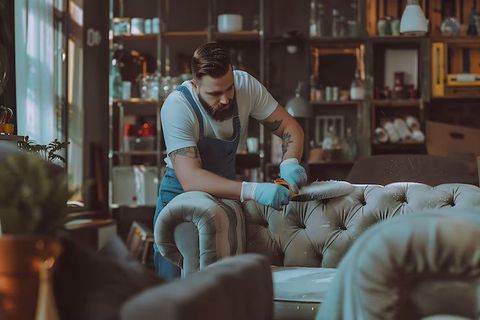
Leather furniture requires a different approach than wood. Using the best leather polish for sofa surfaces helps maintain flexibility and prevents cracking.
Begin by cleaning the leather with a dry or slightly damp cloth. Avoid soaking the surface, as excess moisture can damage leather. Apply a small amount of leather polish using a soft cloth and spread evenly.
Let the polish absorb into the material before gently buffing. This helps restore shine while keeping the leather soft.
Key leather care tips
- avoid direct sunlight to prevent fading
- use mild products designed specifically for leather
- polish occasionally rather than frequently
- test polish on a small area before full application
Proper care ensures that leather furniture retains its appearance for years.
Eco Friendly Furniture Polishing Options
Eco friendly furniture polish is becoming increasingly popular due to its safer ingredients and minimal environmental impact. These products are suitable for homes where reducing chemical exposure is important.
Natural oils such as olive oil or coconut oil are often used in eco friendly polishing methods. When combined with mild cleaning agents, they can create a gentle yet effective polish.
These options are ideal for regular maintenance, especially for households with children or pets. They provide a natural shine without strong odors or harsh residues.
Best Practices for Dusting and Polishing
Dusting plays a crucial role in maintaining polished furniture. Using the best furniture polish for dusting ensures that surfaces remain clean and shiny.
Always dust before polishing to avoid trapping particles. Use microfiber cloths, as they effectively capture dust without scratching surfaces.
When polishing, use minimal product and focus on even application. Over-polishing can lead to residue buildup, making furniture look dull instead of shiny.
Maintaining Long-Term Shine
Consistency is more important than frequency when it comes to furniture polishing. Regular light maintenance is more effective than occasional heavy polishing.
Keep furniture away from excessive heat and humidity, as these factors can damage finishes. Using protective covers or mats can also help prevent scratches and stains.
Re-polish only when necessary, depending on usage and exposure. This approach helps maintain the natural look without overloading the surface with products.
Table Polishing Techniques for Daily Use
Tables are among the most frequently used pieces of furniture, making them more prone to wear. Proper table polish techniques help maintain their appearance despite daily use.
Clean spills immediately to prevent stains. Apply a small amount of table polish and spread evenly across the surface. Focus on high-use areas such as edges and center sections.
Buff the surface gently to restore shine. Regular care ensures that tables remain smooth and visually appealing.
Choosing the Right Tools for Polishing
The tools you use can significantly impact the results of furniture polishing. Soft, lint-free cloths are ideal for applying and buffing polish.
Avoid abrasive materials such as rough sponges or stiff brushes. These can damage the surface and reduce the effectiveness of the polish.
Using separate cloths for application and buffing ensures a cleaner and more polished finish. Keeping tools clean also prevents the transfer of dirt onto surfaces.
When to Polish Furniture
Knowing when to polish is just as important as knowing how. Over-polishing can lead to buildup, while under-polishing may leave surfaces unprotected.
A general guideline is to polish furniture every few months, depending on usage. High-use items like tables may require more frequent attention, while decorative pieces need less.
Observe the surface for signs such as dullness or dryness. These indicators suggest that polishing may be needed.
Final Thoughts
Furniture polishing is a simple yet effective way to enhance the appearance and durability of your furniture. By using the right techniques and products, you can maintain a clean, shiny, and well-protected surface.
Whether you are working with wood, leather, or modern materials, understanding the basics of polishing helps you achieve better results. Consistent care, proper tools, and mindful application are the key elements of successful furniture maintenance.
With these tips and techniques, you can ensure that your furniture continues to look its best while staying protected from everyday wear.