Furniture Finishing Techniques Explained: A Complete Guide
Furniture finishing is one of the most important steps in woodworking and interior design. It not only enhances the appearance of furniture but also protects it from wear, moisture, and environmental damage. Whether you are working with solid wood, engineered panels, or decorative surfaces, the right finishing technique can completely transform the final result.
This guide explains the most common furniture finishing techniques, their benefits, and how to choose the right one based on your needs.
What Is Furniture Finishing?
Furniture finishing refers to the process of applying protective and decorative coatings to wooden or manufactured surfaces. It involves preparing the surface, applying stains or paints, and sealing it with protective layers.
A good finish improves durability while highlighting the natural beauty of the material. It also adds character, texture, and depth to the furniture.
Why Furniture Finishing Matters
Furniture finishing is not just about appearance. It plays a functional role in maintaining quality over time.
Here are some key reasons why finishing is essential:
- Protects surfaces from moisture, stains, and scratches
- Enhances the natural grain and texture of wood
- Improves durability and lifespan
- Adds color and style to match interior themes
- Makes cleaning and maintenance easier
Without proper finishing, furniture can quickly lose its appeal and structural integrity.
Surface Preparation: The First Step
Before applying any finish, surface preparation is crucial. Even the best finishing techniques will fail if the base is not properly prepared.
The process typically includes:
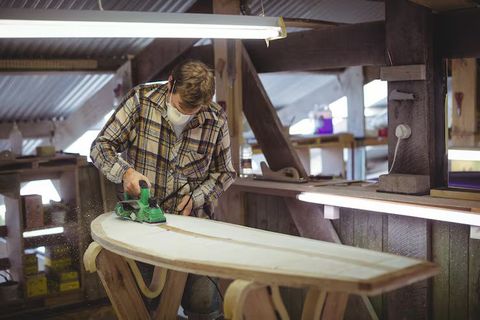
- sanding to smooth out rough surfaces
- removing dust and debris
- filling cracks or holes with wood filler
- ensuring an even and clean surface
Proper preparation ensures better adhesion and a smoother final look.
Common Furniture Finishing Techniques
There are several finishing techniques available, each with its own characteristics. The choice depends on the type of material, desired appearance, and usage.
1. Wood Staining
Wood staining enhances the natural grain while adding color. It penetrates the wood rather than sitting on the surface.
Benefits include:
- highlights natural patterns
- available in various shades
- suitable for traditional and modern styles
Stains are often followed by a protective topcoat like varnish or polyurethane.
2. Painting
Painting completely covers the surface, offering a solid and uniform color. It is ideal when you want a bold or modern look.
Advantages:
- wide range of color options
- hides imperfections in wood
- suitable for contemporary furniture
Painted finishes are commonly used in kitchens, wardrobes, and decorative pieces.
3. Varnishing
Varnish creates a transparent protective layer on the surface. It enhances the natural beauty of wood while providing durability.
Key features:
- water and heat resistance
- glossy or matte finish options
- long-lasting protection
Varnish is commonly used for tables, chairs, and cabinets.
4. Lacquering
Lacquer provides a smooth and high-gloss finish. It dries quickly and creates a hard, durable surface.
Why it is popular:
- sleek and modern appearance
- fast drying time
- excellent surface smoothness
It is often used in premium furniture and decorative panels.
5. Polishing
Polishing enhances the shine and smoothness of furniture. Traditional polishing methods like French polish are still widely appreciated.
Benefits include:
- rich and elegant finish
- enhances depth of wood grain
- suitable for classic furniture styles
Polishing requires skill and multiple layers for best results.
6. Wax Finishing
Wax provides a soft sheen and natural look. It is often used for antique or rustic furniture.
Advantages:
- easy to apply
- gives a warm and natural feel
- enhances texture
However, wax offers less protection compared to other finishes and may require regular maintenance.
7. Oil Finishing
Oil finishes penetrate deep into the wood, enhancing its natural look and feel.
Common features:
- improves grain visibility
- provides a natural matte finish
- easy to reapply
Oil finishes are popular for handcrafted and eco-friendly furniture.
Comparison of Finishing Techniques
Below is a simple comparison to help you understand different finishing methods:
| Technique | Appearance | Durability | Maintenance | Best Use Case |
|---|---|---|---|---|
| Wood Stain | Natural look | Medium | Low | Decorative wooden furniture |
| Paint | Solid color | High | Low | Modern interiors |
| Varnish | Clear glossy | High | Medium | Tables and cabinets |
| Lacquer | High gloss | High | Low | Premium finishes |
| Polish | Rich shine | Medium | High | Classic furniture |
| Wax | Soft sheen | Low | High | Antique pieces |
| Oil | Matte natural | Medium | Medium | Handmade furniture |
Choosing the Right Finish
Selecting the right furniture finish depends on several factors. Each project has different requirements based on usage and environment.
Consider the following when choosing a finish:
- purpose of the furniture
- exposure to moisture or sunlight
- desired visual style
- level of maintenance you are comfortable with
- type of wood or material
For example, dining tables require durable finishes like varnish, while decorative pieces can use wax or oil.
Modern Trends in Furniture Finishing
Furniture finishing techniques have evolved with changing design preferences. Modern interiors often combine functionality with aesthetics.
Some popular trends include:
- matte and natural finishes for minimalistic spaces
- distressed and rustic finishes for vintage appeal
- eco-friendly oils and water-based coatings
- high-gloss lacquer for contemporary designs
These trends focus on both sustainability and visual impact.
Tips for Better Furniture Finishing
Achieving a high-quality finish requires attention to detail and proper techniques.
Here are some practical tips:
- always sand in the direction of the grain
- apply thin and even coats
- allow proper drying time between layers
- test finishes on a small area first
- use quality brushes or applicators
These simple practices can significantly improve the final result.
Common Mistakes to Avoid
Even small mistakes can affect the outcome of furniture finishing. Being aware of common errors helps in achieving better results.
Avoid these mistakes:
- skipping surface preparation
- applying thick layers of finish
- not allowing sufficient drying time
- using incompatible products
- ignoring environmental conditions like humidity
Careful planning and patience are key to a successful finish.
Maintenance of Finished Furniture
Once furniture is finished, proper care ensures it remains in good condition for years.
Basic maintenance includes:
- regular dusting with a soft cloth
- avoiding direct sunlight exposure
- using protective mats or coasters
- cleaning spills immediately
- periodic reapplication for oil or wax finishes
Maintenance requirements vary depending on the type of finish used.
Conclusion
Furniture finishing is both a technical and creative process. It enhances the appearance, protects the material, and adds value to the final product. From staining and painting to varnishing and oil finishes, each technique offers unique benefits.
Understanding these techniques helps in making informed decisions for different types of furniture. Whether you prefer a natural look or a polished modern finish, the right approach can significantly improve both aesthetics and durability.