Furniture Care by Season: Practical Tips and Suggestions
Furniture is an essential part of any home, both indoors and outdoors. However, changing weather conditions throughout the year can significantly affect its durability, appearance, and comfort. From heat and humidity to cold winds and rain, each season presents unique challenges. Understanding how to care for furniture seasonally helps maintain its quality and extends its lifespan.
This guide provides practical tips and suggestions for maintaining different types of furniture across all seasons. Whether it is seasonal outdoor setups or indoor arrangements, these insights will help you protect and preserve your furniture effectively.
Why Seasonal Furniture Care Matters
Furniture materials respond differently to environmental changes. Wood may expand or contract, metal can corrode, and fabrics may fade or develop mold. Seasonal care ensures that these materials remain in good condition and continue to function properly.
Regular maintenance also helps prevent long-term damage. Small steps taken throughout the year can reduce the need for major repairs later. Additionally, well-maintained furniture contributes to a cleaner and more comfortable living environment.
Spring Furniture Care Tips
Spring is often associated with renewal and cleaning. It is the ideal time to inspect and refresh your furniture after winter.
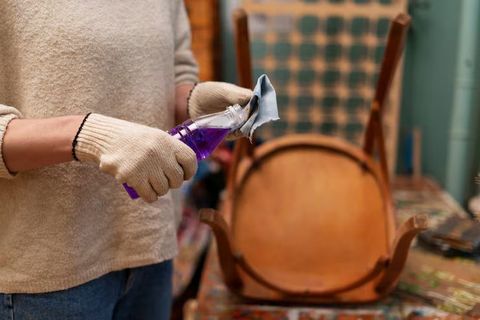
Start by thoroughly cleaning all furniture surfaces. Dust, dirt, and moisture may have accumulated over colder months. Use mild cleaning solutions suitable for the material type.
Check for damage caused by winter conditions. Wooden furniture may show signs of cracking, while metal pieces could have minor rust spots.
For outdoor furniture:
- Wash with gentle soap and water
- Tighten screws and joints
- Apply protective coatings if needed
Spring is also a good time to rearrange furniture layouts. Improved airflow and sunlight exposure can help maintain freshness.
Summer Furniture Care Tips
Summer brings intense heat and prolonged sunlight, which can cause fading, drying, and weakening of materials.
Protect furniture from direct sunlight whenever possible. Use curtains, blinds, or shaded areas to reduce exposure. For outdoor furniture, consider placing items under covered spaces.
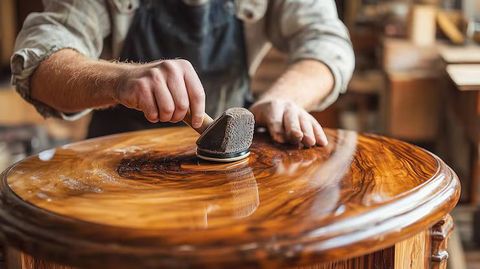
Hydration of materials is important during hot months. Wooden furniture can dry out, so occasional polishing helps retain moisture balance.
For seasonal outdoor furniture:
- Use covers during peak sun hours
- Clean regularly to remove dust and sweat residue
- Avoid placing hot objects directly on surfaces
Cushions and fabrics are especially vulnerable in summer. Washing and rotating them periodically helps maintain their color and texture.
Monsoon Furniture Care Strategies
Monsoon or rainy seasons introduce high humidity, which can be particularly damaging. Moisture can lead to swelling, mold growth, and unpleasant odors.
Keep furniture in well-ventilated areas. Air circulation is crucial to prevent dampness. Using dehumidifiers or moisture absorbers can be helpful.
Avoid placing furniture directly against damp walls. This reduces the risk of moisture transfer.
For monsoon furniture care:
- Wipe surfaces regularly to remove moisture
- Use waterproof covers for outdoor pieces
- Elevate furniture slightly above the ground
Wooden furniture needs special attention during this season. Applying protective polish or sealant can help reduce moisture absorption.
Autumn Furniture Maintenance
Autumn is a transitional season, making it a good time to prepare furniture for upcoming colder months.
Start by cleaning and inspecting all pieces. Remove fallen leaves and debris from outdoor furniture to prevent staining and decay.
Autumn furniture care focuses on preparation:
- Store lightweight outdoor items if not in use
- Check for loose fittings and repair them
- Apply protective layers to wood and metal
This is also a good time to evaluate which furniture items will remain outdoors during winter and which should be stored.
Winter Furniture Care Tips
Winter conditions can be harsh, especially in regions with low temperatures and dry air. Furniture may become brittle or stiff.
Indoor heating systems can reduce humidity, which affects wooden and leather furniture. Using humidifiers helps maintain balance.
For winter care:
- Keep furniture away from direct heat sources
- Use protective covers for outdoor furniture
- Clean and store unused items in dry spaces
Metal furniture should be checked for condensation, as it can lead to rust. Regular wiping helps prevent buildup.
Seasonal Outdoor Furniture Maintenance Overview
Outdoor furniture requires special care due to constant exposure to environmental elements. The following table summarizes key maintenance practices across seasons:
| Season | Main Risk | Care Approach | Materials Focus |
|---|---|---|---|
| Spring | Residual moisture | Deep cleaning, inspection | Wood, metal |
| Summer | Heat, UV exposure | Shading, polishing | Fabric, wood |
| Monsoon | High humidity | Waterproofing, ventilation | Wood, cushions |
| Autumn | Debris accumulation | Cleaning, preparation | Metal, wicker |
| Winter | Dryness, cold | Covering, indoor storage | Wood, metal, leather |
This overview helps in understanding how different environmental conditions affect furniture and what actions are needed to maintain them.
Material-Specific Care Suggestions
Different materials require tailored approaches. Knowing how each type reacts to seasonal changes ensures better results.
Wooden Furniture
Wood is sensitive to both moisture and temperature. It can expand during humid seasons and shrink in dry conditions.
- Use polish to maintain moisture balance
- Avoid prolonged exposure to water
- Keep away from direct sunlight
Metal Furniture
Metal is durable but prone to rust when exposed to moisture.
- Clean regularly to remove dirt and water
- Apply anti-rust coatings
- Store in dry areas during monsoon
Fabric and Upholstery
Fabrics can fade, absorb moisture, and develop odors.
- Wash or vacuum regularly
- Use protective covers
- Dry thoroughly during humid weather
Plastic and Resin Furniture
These materials are relatively low maintenance but can degrade under intense sunlight.
- Clean with mild soap
- Avoid prolonged UV exposure
- Store when not in use
Storage Tips for End of Season Outdoor Furniture
Proper storage plays a major role in extending the life of outdoor furniture. When a season ends, especially summer or monsoon, storing furniture correctly prevents unnecessary wear.
Choose a clean and dry storage area. Avoid spaces with high humidity or temperature fluctuations.
Before storing:
- Clean all furniture thoroughly
- Dry completely to prevent mold
- Disassemble large items if possible
Use breathable covers instead of plastic wraps. This prevents trapped moisture, which can lead to damage.
Organizing storage space efficiently also makes it easier to access furniture when needed again.
Common Mistakes to Avoid
Many furniture issues arise from simple mistakes that can be avoided with awareness.
Ignoring regular cleaning is a common problem. Dust and moisture buildup can accelerate damage over time.
Placing furniture in unsuitable locations can also cause harm. For example, keeping wooden items near heat sources or metal items in damp areas.
Other mistakes include:
- Using harsh cleaning chemicals
- Skipping protective treatments
- Neglecting seasonal inspections
Avoiding these errors helps maintain furniture quality throughout the year.
Practical Suggestions for Long-Term Care
Consistency is key when it comes to furniture maintenance. Small, regular efforts are more effective than occasional intensive cleaning.
Create a simple maintenance routine aligned with seasonal changes. This ensures that no aspect is overlooked.
Keep essential supplies ready, such as cleaning cloths, mild cleaners, and protective coatings. Having these available makes routine care easier.
It is also helpful to track changes in furniture condition. Early detection of issues allows for timely action.
Conclusion
Furniture care by season is a practical approach to maintaining both functionality and appearance. Each season brings different challenges, but with the right strategies, these can be managed effectively.
From spring cleaning to winter protection, consistent care ensures that furniture remains in good condition throughout the year. Paying attention to materials, environment, and storage practices helps extend the lifespan of both indoor and seasonal outdoor furniture.
Adopting these tips and suggestions creates a balanced approach to furniture maintenance, making your living space more comfortable and well-preserved.