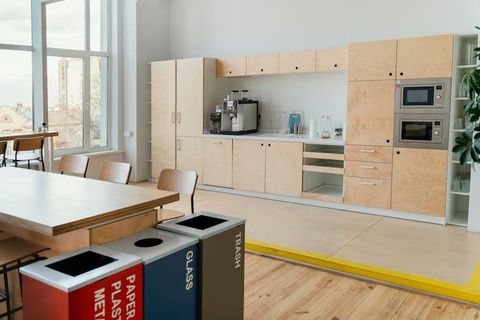
Explore Modular & Adjustable Furniture for Flexible Home Design
Modern living spaces are evolving to meet changing lifestyles, especially in urban environments where space is limited and needs shift frequently. Modular and adjustable furniture has emerged as a practical and creative solution for flexible home design. It allows homeowners to reconfigure layouts, maximize functionality, and maintain a clean, organized environment without compromising comfort or style.
This approach to furniture is not just about saving space. It reflects a broader mindset that values adaptability, efficiency, and thoughtful design. Whether you live in a compact apartment or a spacious home, modular and adjustable furniture can help create a dynamic living experience that grows with your needs.
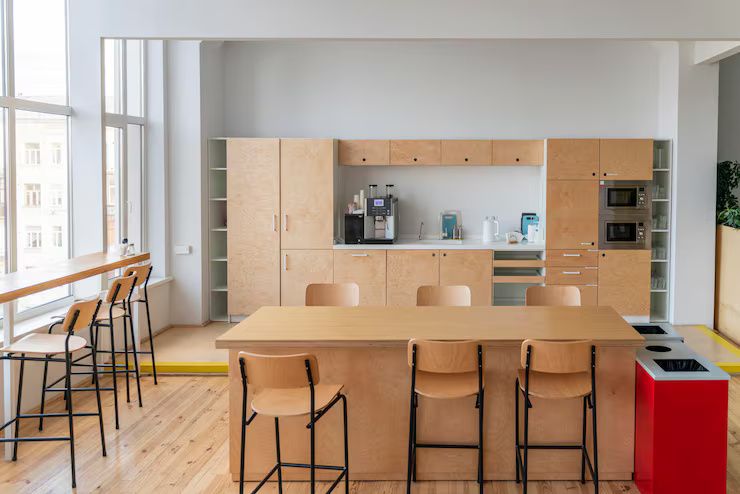
Understanding Modular & Adjustable Furniture
Modular furniture consists of individual units or sections that can be combined, rearranged, or expanded in different ways. Adjustable furniture, on the other hand, includes pieces that can change shape, size, or function through mechanical or manual adjustments.
Together, these two categories offer a wide range of design possibilities. From sectional sofas that can be rearranged to height-adjustable desks and foldable dining tables, these solutions cater to modern lifestyles where flexibility is essential.
Key Characteristics
- Interchangeable components that allow customization
- Multi-purpose functionality in a single piece
- Compact and space-efficient design
- Easy reconfiguration without professional assistance
These features make modular and adjustable furniture particularly suitable for people who value versatility and long-term usability.
Benefits of Flexible Furniture Design
One of the most significant advantages of modular and adjustable furniture is its ability to adapt to changing requirements. Instead of replacing furniture frequently, users can modify existing pieces to suit new needs.
Another benefit is improved space utilization. In smaller homes, every square foot matters. Furniture that can fold, stack, or transform helps create a more open and organized environment.
Flexibility also supports evolving lifestyles. For example, a living room can easily transform into a workspace or guest area with the right furniture choices.
Practical Advantages
- Supports multi-functional living spaces
- Reduces clutter through smart design
- Encourages creative interior layouts
- Extends the lifespan of furniture
These advantages contribute to a more efficient and comfortable living experience.
Types of Modular & Adjustable Furniture
There are many types of flexible furniture available, each designed to address specific needs. Understanding these options can help you make informed decisions when designing your home.
Living Room Solutions
Modular sofas are one of the most popular choices. They can be rearranged into different shapes depending on the occasion or room layout. Some designs even include hidden storage compartments.
Adjustable coffee tables that can expand or change height are also useful. They can function as dining surfaces, work desks, or display areas.
Bedroom Innovations
In bedrooms, modular wardrobes allow users to customize storage based on their needs. Shelves, drawers, and hanging sections can be added or removed as required.
Adjustable beds with storage features or foldable frames are ideal for optimizing space. They offer comfort while maintaining practicality.
Workspace Flexibility
Height-adjustable desks have become increasingly popular, especially with the rise of remote work. They support both sitting and standing positions, promoting better posture and productivity.
Modular shelving units in workspaces help organize documents and accessories while allowing easy expansion.
Comparison of Modular vs Traditional Furniture
Below is a simple table that highlights the differences between modular/adjustable furniture and traditional furniture.
| Feature | Modular & Adjustable Furniture | Traditional Furniture |
|---|---|---|
| Flexibility | High | Limited |
| Space Efficiency | Optimized | Fixed |
| Customization | Easy | Minimal |
| Adaptability | Suitable for changes | Less adaptable |
| Lifespan Utility | Extended through adjustments | Static usage |
| Design Versatility | Dynamic layouts | Fixed design |
This comparison clearly shows why flexible furniture is becoming a preferred choice in modern homes.
Designing a Flexible Home Layout
Creating a flexible home design involves more than just selecting the right furniture. It requires thoughtful planning and an understanding of how different elements interact within a space.
Start by identifying your primary needs. Consider how each room is used throughout the day. For example, a living room might serve as a relaxation area, workspace, and entertainment zone.
Choose furniture that supports multiple functions. A foldable dining table or a sofa bed can significantly enhance usability without taking up extra space.
Tips for Effective Layout Planning
- Prioritize open space to allow easy movement
- Use furniture that can be repositioned quickly
- Combine storage with seating or sleeping solutions
- Maintain a balance between aesthetics and functionality
These strategies help create a harmonious and adaptable living environment.
Materials and Durability Considerations
The durability of modular and adjustable furniture depends largely on the materials used. High-quality materials ensure longevity and consistent performance, even with frequent adjustments.
Common materials include engineered wood, metal frames, and high-density plastics. Each material offers different benefits in terms of strength, weight, and appearance.
For example, metal frames provide stability and support, while engineered wood offers a sleek and modern look. Lightweight materials are ideal for pieces that need to be moved frequently.
When selecting furniture, consider both functionality and durability to ensure long-term satisfaction.
Aesthetic Appeal and Style Integration
Flexible furniture does not compromise on style. In fact, many designs are created with modern aesthetics in mind. Clean lines, neutral colors, and minimalist forms are commonly used to blend seamlessly with various interior styles.
Modular furniture allows you to experiment with layouts without disrupting the overall design theme. You can rearrange elements to refresh the look of your space without making significant changes.
This adaptability makes it easier to maintain a visually appealing home while accommodating practical needs.
Sustainability and Smart Living
Modular and adjustable furniture also aligns with sustainable living practices. By extending the usability of furniture, it reduces the need for frequent replacements. This helps minimize waste and supports environmentally conscious choices.
Additionally, many modern designs focus on efficient use of materials and compact packaging. This reduces the environmental impact associated with manufacturing and transportation.
Flexible furniture encourages a mindful approach to consumption, where quality and adaptability take precedence over quantity.
Challenges and Considerations
While modular and adjustable furniture offers many benefits, there are some factors to consider before incorporating it into your home.
One challenge is initial setup. Some modular systems may require time and effort to assemble and configure. However, once set up, they are generally easy to modify.
Another consideration is compatibility. Not all modular units are designed to work together, so it is important to ensure that components are compatible if you plan to expand or modify your setup.
Despite these challenges, the long-term advantages often outweigh the initial effort.
Future Trends in Flexible Furniture Design
The future of furniture design is moving toward greater personalization and technological integration. Smart furniture with built-in features such as charging ports, lighting, and automation is becoming more common.
There is also a growing focus on compact living solutions, especially in urban areas. Designers are exploring innovative ways to combine multiple functions into single pieces without compromising comfort.
As lifestyles continue to evolve, modular and adjustable furniture will play an increasingly important role in shaping modern homes.
Conclusion
Modular and adjustable furniture represents a shift toward more flexible, efficient, and thoughtful living spaces. It offers practical solutions for changing needs while maintaining comfort and style.
By understanding the features, benefits, and design strategies associated with flexible furniture, you can create a home that adapts to your lifestyle. Whether you are optimizing a small space or enhancing a larger home, these innovative solutions provide the versatility needed for modern living.
Adopting modular and adjustable furniture is not just a design choice. It is a step toward a more adaptable and sustainable way of living.