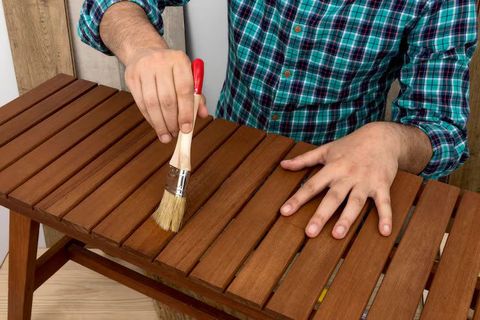
DIY Home Furniture Projects: Smart Ideas and Helpful Suggestions
Creating your own furniture at home is a practical and rewarding way to improve your living space. DIY home furniture projects allow you to customize designs, use materials creatively, and develop useful skills. Whether you are a beginner or someone with experience, simple projects can transform your home while keeping things functional and stylish.
This guide explores smart ideas, helpful suggestions, and essential basics to help you start and succeed with DIY furniture projects.
Understanding the Basics of DIY Furniture
DIY furniture involves designing and building pieces using tools, materials, and simple techniques. It focuses on functionality, creativity, and adaptability. You can work with wood, metal, recycled items, or even fabric to create useful furniture.
Starting with small projects is the best way to learn. Over time, you can take on more complex designs as your confidence grows.
Essential Tools and Materials
Before starting, it is helpful to gather basic tools and materials. Having the right setup ensures smoother progress and better results.
- Measuring tape for accurate dimensions
- Hammer and screwdrivers for assembly
- Drill machine for making holes
- Sandpaper for smooth finishing
- Wood boards, pallets, or recycled materials
- Nails, screws, and adhesives
Safety is equally important. Always use protective gear like gloves and safety glasses when working with tools.
Smart DIY Furniture Ideas for Every Room
DIY furniture projects can be tailored to different spaces in your home. Choosing the right idea depends on your needs, available space, and skill level.
Living Room Projects
The living room is often the focal point of a home. Simple furniture additions can improve both comfort and appearance.
- Wooden coffee tables made from pallets
- Compact TV stands with storage shelves
- Bookshelves using crates or recycled wood
- Side tables with minimalist designs
These projects are beginner-friendly and require basic tools.
Bedroom Projects
Bedroom furniture should focus on comfort and storage. DIY options allow you to create pieces that match your personal style.
- Bed frames with built-in storage
- Nightstands using wooden boxes
- Wall-mounted shelves for small spaces
- Simple wardrobes with open shelving
These ideas help keep your bedroom organized while adding a personal touch.
Kitchen and Dining Area Projects
DIY furniture can also improve kitchen functionality. Simple builds can create efficient storage and seating.
- Dining tables with sturdy wooden tops
- Bar stools made from reclaimed wood
- Wall racks for utensils and jars
- Foldable tables for compact kitchens
These projects are practical and ideal for optimizing space.
Helpful Suggestions for Beginners
Starting DIY furniture projects can feel overwhelming at first. However, following a few simple suggestions can make the process easier and more enjoyable.
Start Small and Simple
Choose projects that require minimal cutting and assembly. Simple designs help you understand the basics without frustration.
Plan Before You Build
Sketch your design or follow a basic layout. Planning ensures that measurements and materials are used correctly.
Measure Accurately
Incorrect measurements can lead to uneven or unstable furniture. Always double-check dimensions before cutting materials.
Use Quality Materials
Even simple projects benefit from durable materials. Strong materials ensure your furniture lasts longer and remains stable.
Practice Finishing Techniques
Sanding and finishing improve the look and feel of your furniture. Smooth surfaces and clean edges make a big difference.
Popular DIY Furniture Styles
Different styles can influence how your furniture looks and functions. Choosing a style helps maintain consistency throughout your home.
Minimalist Style
This style focuses on simplicity and clean lines. Furniture pieces are functional with minimal decoration.
- Neutral colors
- Straight edges
- Compact designs
Rustic Style
Rustic furniture uses natural materials and textures. It often includes reclaimed wood and rough finishes.
- Natural wood tones
- Visible grain patterns
- Sturdy construction
Modern Style
Modern furniture combines functionality with sleek designs. It often includes mixed materials like wood and metal.
- Smooth finishes
- Geometric shapes
- Space-saving designs
DIY Furniture Project Comparison Table
Below is a simple comparison of common DIY furniture projects to help you choose the right one based on difficulty and usage.
| Project Type | Skill Level | Time Required | Best For | Key Materials |
|---|---|---|---|---|
| Coffee Table | Beginner | 1–2 days | Living Room | Wood, screws |
| Bookshelf | Beginner | 1–2 days | Storage | Wood, brackets |
| Bed Frame | Intermediate | 2–4 days | Bedroom | Wood, drill, screws |
| Dining Table | Intermediate | 3–5 days | Dining Area | Wood, polish |
| Wardrobe | Advanced | 5–7 days | Storage | Wood panels, hinges |
This table helps you evaluate which project matches your skill level and available time.
Space-Saving DIY Furniture Ideas
Small homes and apartments require smart furniture solutions. DIY projects can help maximize limited space.
- Foldable desks that attach to walls
- Storage benches with hidden compartments
- Stackable stools for flexible seating
- Wall-mounted shelves for vertical storage
These ideas help maintain functionality without overcrowding your space.
Sustainable and Eco-Friendly Approaches
DIY furniture can also support sustainability. Using recycled or repurposed materials reduces waste and promotes eco-friendly living.
- Reuse wooden pallets for tables and shelves
- Convert old doors into desks or tables
- Use leftover materials for small furniture pieces
- Choose natural finishes instead of chemical coatings
Sustainable DIY practices are not only environmentally responsible but also add character to your furniture.
Common Mistakes to Avoid
Avoiding common mistakes can save time and effort during DIY projects.
- Skipping measurements or planning
- Using weak joints or improper fasteners
- Ignoring surface finishing
- Overloading furniture beyond its capacity
- Rushing through the process
Taking your time and focusing on details ensures better results.
Maintenance and Care Tips
Proper care extends the life of your DIY furniture. Regular maintenance keeps it looking good and functioning well.
- Clean surfaces regularly with a soft cloth
- Avoid exposure to excessive moisture
- Tighten screws and joints periodically
- Reapply finishes when needed
Simple maintenance habits can preserve your furniture for years.
Expanding Your DIY Skills
Once you are comfortable with basic projects, you can explore more advanced techniques. Learning new skills helps you create more complex and customized furniture.
- Experiment with different materials
- Learn basic joinery techniques
- Try combining wood and metal
- Explore creative designs and layouts
Continuous learning makes DIY furniture projects more enjoyable and rewarding.
Conclusion
DIY home furniture projects offer a practical way to enhance your living space while developing useful skills. From simple coffee tables to space-saving storage solutions, there are countless ideas to explore.
By starting small, planning carefully, and focusing on quality, you can create furniture that is both functional and visually appealing. With time and practice, DIY projects can become an essential part of your home improvement journey.