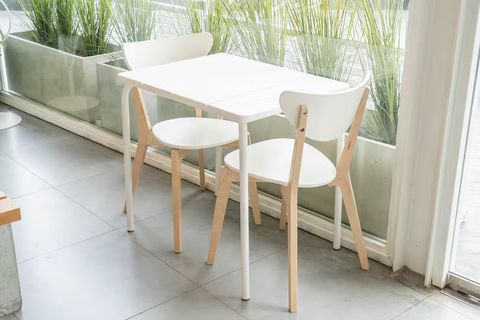
A Simple Guide to Eco-Friendly Furniture Materials and Their Benefits
Sustainable living has become an important consideration in modern homes, and furniture plays a major role in this shift. The materials used in furniture production can impact both the environment and indoor air quality. Choosing eco-friendly furniture materials helps reduce environmental harm while creating a healthier living space.
This guide explains what eco-friendly furniture materials are, explores popular options, and highlights their benefits. It is designed to provide clear and practical insights for anyone interested in making more sustainable choices at home.

Understanding Eco-Friendly Furniture Materials
Eco-friendly furniture materials are those that have a lower environmental impact throughout their lifecycle. This includes sourcing, manufacturing, usage, and disposal. These materials are often renewable, recycled, or responsibly harvested.
In addition, they are typically processed with minimal chemicals, reducing harmful emissions. This helps improve indoor air quality and supports overall well-being.
Sustainable materials also emphasize durability. Furniture made from these materials tends to last longer, reducing the need for frequent replacements and minimizing waste.
Popular Eco-Friendly Furniture Materials
There are several sustainable materials commonly used in modern furniture. Each offers unique features and benefits depending on its application.
Bamboo
Bamboo is one of the fastest-growing plants in the world. It regenerates quickly without the need for replanting, making it a highly renewable resource.
It is lightweight yet strong, making it suitable for various furniture types. Bamboo furniture often has a natural, modern appearance that complements many interior styles.
Reclaimed Wood
Reclaimed wood is sourced from old buildings, barns, or discarded furniture. Instead of cutting new trees, this material gives existing wood a second life.
It adds character and uniqueness to furniture pieces due to its aged textures. Using reclaimed wood also reduces deforestation and waste.
Recycled Metal
Recycled metals such as aluminum and steel are frequently used in eco-friendly furniture. These materials can be reused multiple times without losing strength.
They are durable and require less energy to process compared to new metal production. This makes them a sustainable option for frames and structural components.
Natural Fibers
Natural fibers include materials like cotton, jute, hemp, and wool. These are commonly used in upholstery, cushions, and decorative elements.
They are biodegradable and often produced with fewer chemicals. Natural fibers also provide comfort and breathability in furniture design.
FSC-Certified Wood
Wood certified by the Forest Stewardship Council (FSC) ensures that it comes from responsibly managed forests. This certification promotes biodiversity and ethical forestry practices.
Furniture made from certified wood supports sustainable forest management while maintaining high quality and durability.
Key Benefits of Eco-Friendly Furniture
Choosing sustainable furniture materials offers multiple advantages for both individuals and the environment.
-
Reduced environmental impact
Eco-friendly materials minimize deforestation, pollution, and waste generation. -
Improved indoor air quality
Low-chemical materials reduce harmful emissions such as volatile organic compounds (VOCs). -
Long-lasting durability
Many sustainable materials are designed to be strong and resilient, extending furniture lifespan. -
Resource conservation
Recycled and renewable materials help preserve natural resources. -
Aesthetic appeal
Eco-friendly furniture often features natural textures and unique finishes that enhance interior design.
These benefits make sustainable furniture a practical and responsible choice for modern living.
Comparing Common Eco-Friendly Materials
The following table provides a simple comparison of popular eco-friendly furniture materials:
| Material | Source Type | Durability | Environmental Impact | Common Uses |
|---|---|---|---|---|
| Bamboo | Renewable plant | High | Very low | Chairs, tables, shelves |
| Reclaimed Wood | Reused resource | High | Very low | Dining tables, cabinets |
| Recycled Metal | Recycled material | Very high | Low | Frames, outdoor furniture |
| Natural Fibers | Renewable plant | Medium | Low | Upholstery, cushions |
| FSC-Certified Wood | Managed forests | High | Low | All types of furniture |
This comparison helps in understanding how each material performs in different areas of sustainability and usability.
How to Identify Sustainable Furniture
Understanding whether furniture is truly eco-friendly requires attention to specific details. Not all products labeled as “green” meet genuine sustainability standards.
Look for Certifications
Certifications are one of the most reliable indicators of sustainable practices. Common labels include:
- FSC (Forest Stewardship Council) for responsible wood sourcing
- GREENGUARD for low chemical emissions
- Global Organic Textile Standard (GOTS) for natural fibers
These certifications ensure that materials meet environmental and safety standards.
Check Material Composition
Examine what the furniture is made from. Prioritize items that use:
- Solid wood instead of engineered wood with heavy adhesives
- Natural finishes instead of chemical-based coatings
- Recycled or reclaimed components
Avoid materials that contain high levels of synthetic chemicals or non-renewable resources.
Tips for Choosing Eco-Friendly Furniture
Selecting sustainable furniture does not have to be complicated. A few simple considerations can make the process easier and more effective.
- Choose durable designs that will last for many years
- Prefer timeless styles over short-term trends
- Opt for multifunctional furniture to reduce overall consumption
- Support brands that focus on sustainability and transparency
- Consider refurbished or second-hand furniture
These choices contribute to reducing waste and promoting responsible consumption.
The Role of Sustainable Furniture in Modern Living
Eco-friendly furniture is not just a trend but a reflection of a broader shift toward sustainable lifestyles. As awareness grows, more individuals are prioritizing environmentally responsible choices in their homes.
Sustainable furniture supports this movement by combining functionality with environmental care. It aligns with modern values of conservation, health, and long-term thinking.
Additionally, it encourages industries to adopt better practices. Increased demand for eco-friendly materials leads to innovation and improved sustainability standards across the furniture sector.
Challenges and Considerations
While eco-friendly furniture offers many advantages, there are also some considerations to keep in mind.
- Availability may vary depending on location
- Some materials require specific maintenance
- Understanding certifications can be confusing at first
Despite these challenges, increasing awareness and accessibility are making sustainable options more widely available.
Conclusion
Eco-friendly furniture materials provide a meaningful way to reduce environmental impact while enhancing indoor spaces. From bamboo and reclaimed wood to recycled metals and natural fibers, these materials offer both practicality and sustainability.
Making informed choices about furniture materials contributes to a healthier home and a more responsible lifestyle. By understanding the benefits and characteristics of sustainable materials, individuals can create spaces that are both stylish and environmentally conscious.