A Complete Guide to Multi-Functional Furniture Basics
Modern living spaces are becoming more compact, making efficient use of every square foot increasingly important. Multi-functional furniture has emerged as a practical solution for homes, apartments, and offices that require flexibility without compromising comfort. It combines design and utility to serve more than one purpose, helping people adapt their environments to different needs throughout the day.
This guide explains the basics of multi-functional furniture, how it works, and how it can improve everyday living. Whether you are organizing a small apartment or optimizing a larger space, understanding these concepts can help you make smarter choices.
What Is Multi-Functional Furniture?
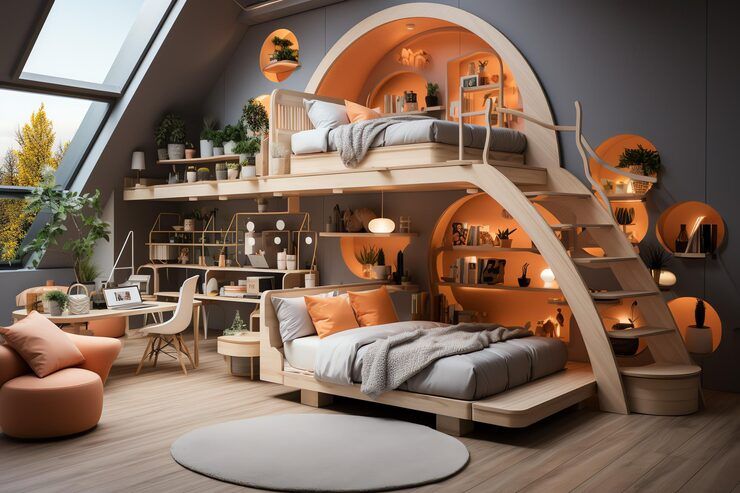
Multi-functional furniture refers to pieces designed to perform multiple roles within a single structure. Instead of having separate items for each purpose, one piece can transform or adapt depending on how it is used.
For example, a sofa bed functions as both seating during the day and a sleeping area at night. Similarly, a storage ottoman provides a place to sit while also offering hidden storage inside.
These designs focus on flexibility, efficiency, and convenience, making them especially useful in modern living environments.
Why Multi-Functional Furniture Matters
The growing popularity of compact living spaces has increased the demand for furniture that does more with less space. Multi-functional furniture helps reduce clutter and creates a more organized environment.
It also allows users to maximize usability without overcrowding a room. This is particularly valuable in urban homes where space is limited and every item needs to justify its presence.
Another important aspect is adaptability. As lifestyles change, furniture that can evolve with those changes becomes highly useful.
Key Benefits of Multi-Functional Furniture
Multi-functional furniture offers several advantages that make it a practical addition to any home.
-
Space efficiency
It reduces the need for multiple separate items, freeing up valuable floor space. -
Versatility
One piece can serve different purposes depending on the situation. -
Organization
Many designs include hidden storage to keep items neatly arranged. -
Flexibility
Furniture can adapt to changing needs, such as hosting guests or working from home. -
Minimalist living
It supports a cleaner and less cluttered lifestyle.
These benefits make multi-functional furniture suitable for both small and large spaces.
Common Types of Multi-Functional Furniture
There are many types of multi-functional furniture available, each designed to solve specific space challenges.
Sofa Beds
Sofa beds are among the most popular examples. They function as a regular sofa and can be converted into a bed when needed.
They are ideal for guest rooms or living areas that double as sleeping spaces.
Storage Beds
Storage beds include built-in drawers or compartments underneath the mattress. They help utilize space that would otherwise remain unused.
This type is useful for storing bedding, clothing, or seasonal items.
Folding Tables
Folding tables can be expanded when needed and folded away when not in use. They are perfect for dining areas or workspaces that require flexibility.
Extendable Dining Tables
These tables can be adjusted in size to accommodate more people. They are suitable for both everyday meals and gatherings.
Convertible Desks
Convertible desks can transform into shelves, cabinets, or compact units. They are helpful for home offices where space is limited.
Features to Look For
Choosing the right multi-functional furniture requires attention to specific features that ensure usability and durability.
-
Ease of transformation
The furniture should be simple to convert without requiring too much effort. -
Build quality
Strong materials ensure the piece can handle repeated use. -
Storage capacity
Look for designs that provide practical storage solutions. -
Size compatibility
The furniture should fit comfortably within your space. -
Aesthetic appeal
It should match the overall style of your home.
Considering these features helps ensure long-term satisfaction.
Comparison of Popular Multi-Functional Furniture
Below is a simple comparison of common types and their uses:
| Furniture Type | Primary Function | Secondary Function | Best Use Case |
|---|---|---|---|
| Sofa Bed | Seating | Sleeping | Living rooms, guest areas |
| Storage Bed | Sleeping | Storage | Bedrooms with limited space |
| Folding Table | Work/Dining | Space saving | Small apartments |
| Extendable Table | Dining | Adjustable seating | Family dining areas |
| Storage Ottoman | Seating | Hidden storage | Living rooms, bedrooms |
| Convertible Desk | Workstation | Compact storage | Home offices |
This table highlights how different furniture types serve multiple purposes effectively.
How to Choose the Right Multi-Functional Furniture
Selecting the right piece depends on your lifestyle and available space. Start by identifying your primary needs and then consider how additional functions can support them.
For example, if you often have guests, a sofa bed may be more useful than a regular sofa. If storage is your main concern, a storage bed or ottoman might be a better option.
Measure your space carefully before selecting any furniture. This ensures that the piece fits properly and allows enough room for movement.
Also, think about how often you will use each function. Frequent transformations require sturdy mechanisms and high-quality materials.
Design Tips for Better Integration
Multi-functional furniture works best when it blends seamlessly with the overall design of your space.
-
Choose neutral colors for versatility
Neutral tones make it easier to match with different decor styles. -
Avoid overcrowding
Even with multi-functional pieces, leaving open space improves comfort. -
Use vertical space
Combine furniture with shelves or wall-mounted units to maximize efficiency. -
Maintain balance
Mix multi-functional pieces with regular furniture to avoid overcomplication.
A thoughtful approach ensures both practicality and visual appeal.
Challenges to Consider
While multi-functional furniture offers many benefits, there are a few challenges to keep in mind.
Some designs may be heavier due to added features, making them harder to move. Others may require regular maintenance to keep mechanisms functioning smoothly.
Additionally, overly complex designs can sometimes reduce ease of use. Choosing simple and reliable options helps avoid these issues.
Future Trends in Multi-Functional Furniture
The future of multi-functional furniture is focused on innovation and smart design. New materials and technologies are making furniture more adaptable and user-friendly.
Some emerging trends include:
- Smart furniture with built-in charging ports
- Modular designs that can be rearranged easily
- Lightweight materials for better mobility
- Space-saving designs tailored for urban living
These trends indicate a growing emphasis on efficiency and convenience.
Conclusion
Multi-functional furniture is a practical solution for modern living, offering flexibility, efficiency, and improved organization. By combining multiple uses into a single piece, it helps maximize space while maintaining comfort and style.
Understanding the basics allows you to choose furniture that fits your needs and enhances your living environment. With careful selection and thoughtful placement, multi-functional furniture can transform any space into a more functional and comfortable area.